Palm Beach estates are not just homes. They are statements of taste, lifestyle, and legacy. If you are weighing properties on the island, the architectural style you choose will shape everything from your daily flow to long‑term value and maintenance. In this guide, you will learn the defining Palm Beach styles, how each one handles indoor–outdoor living, and the practical checks that matter before you make a move. Let’s dive in.
Mediterranean Revival essentials
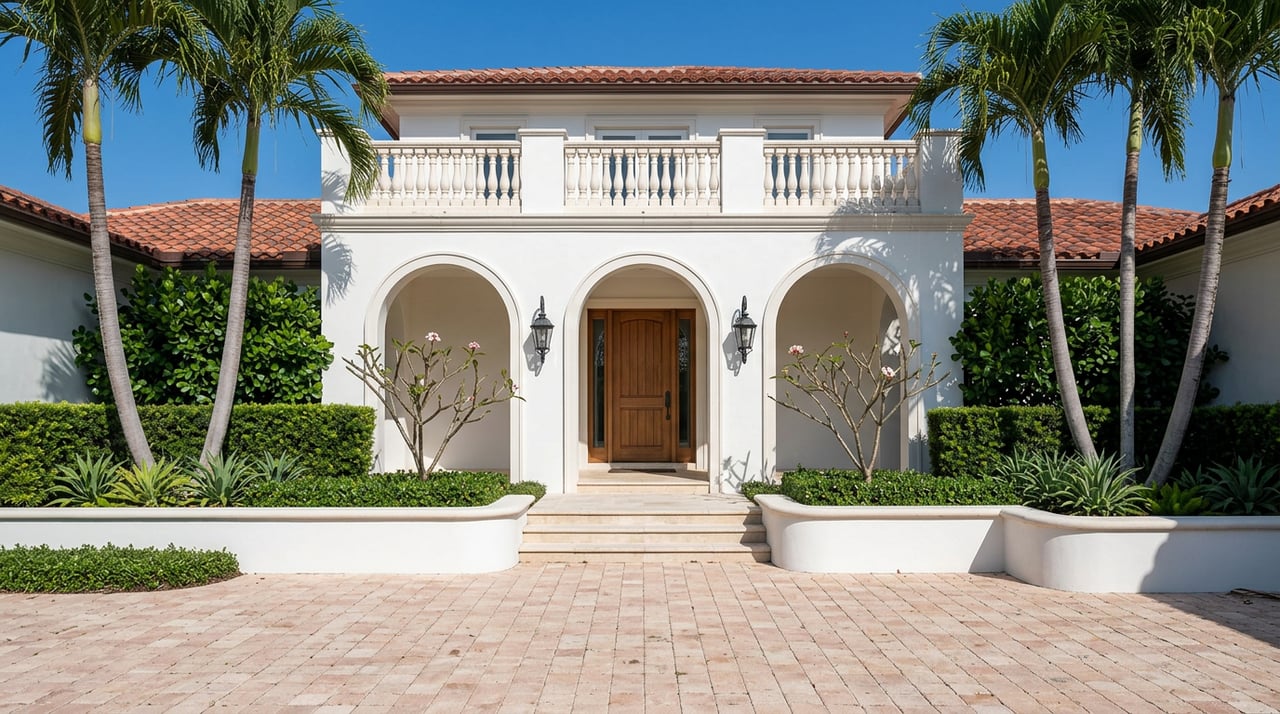
Mediterranean Revival is the historic backbone of Palm Beach estate architecture. Pioneered on the island in the 1910s and 1920s by architects like Addison Mizner, this language blends textured stucco, red barrel‑tile roofs, arched loggias, wrought iron, patterned tile floors, and intimate courtyards. Plans often wrap rooms around one or more courtyards to create shaded, breezy transitions.
Many grand examples were designed for entertaining at scale. Formal rooms such as ballrooms and dining rooms face the public approach, while family suites and service areas sit to the side to protect main living zones from heat and activity. The landmark Mar‑a‑Lago illustrates the period’s grandeur and the way ocean‑to‑lake sites use terraces to cascade toward the water.
British Colonial and West Indies cues
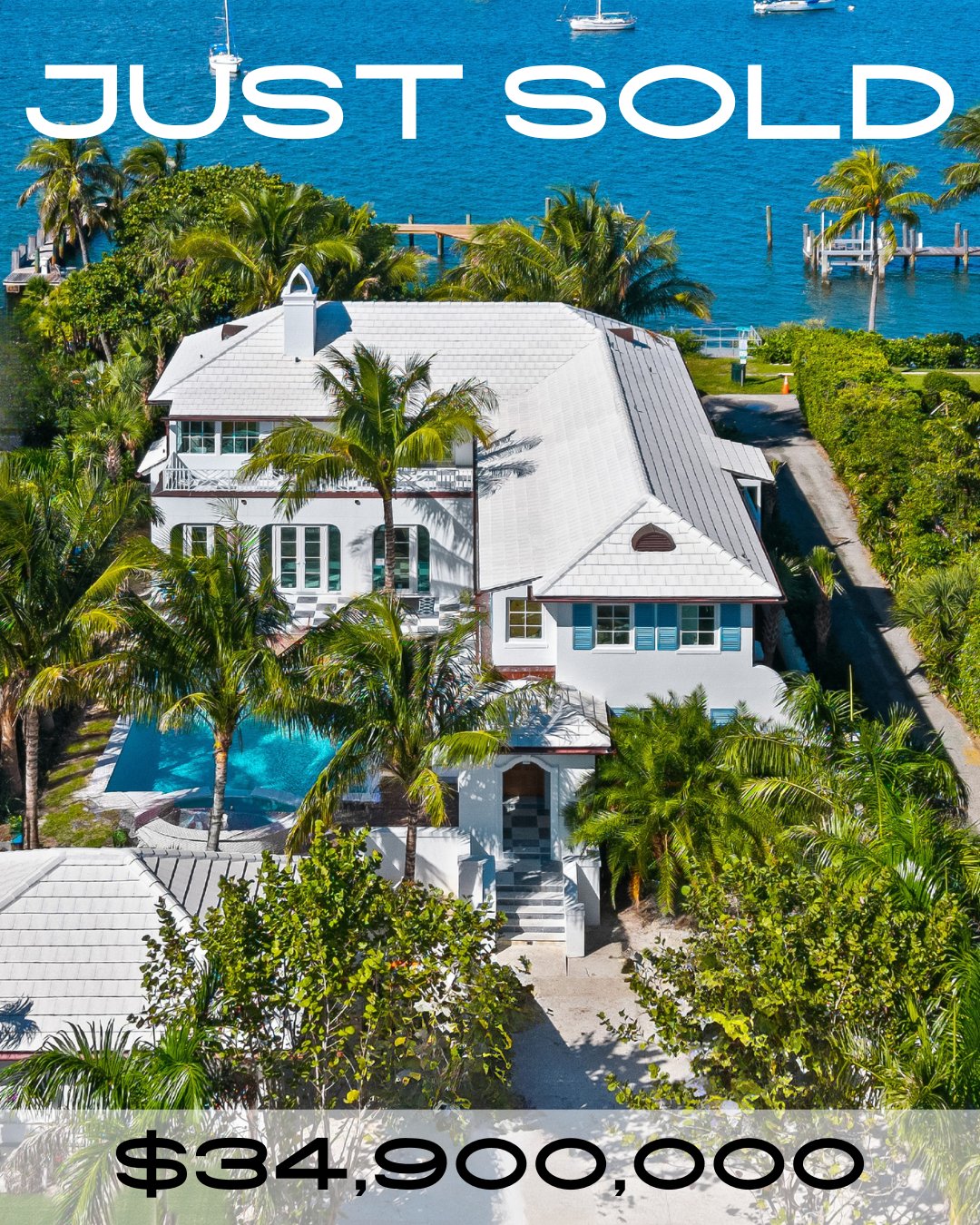
British Colonial, West Indies, and Bahamian‑influenced homes show a lighter, more restrained profile. You will see wide verandas, wraparound porches, louvered shutters, multi‑pane windows, and pitched roofs. Interiors favor high ceilings and cross‑ventilation, with rooms opening directly to shaded outdoor walkways.
These houses often carry strict preservation guidance for shutter and window profiles, especially in historic contexts. If you are considering updates, expect to plan around original proportions and materials, as noted in local renovation guidance for historic estates in Palm Beach (renovating historic estates). The payoff is classic island character with porches that live like outdoor rooms.
Art Deco and Tropical Moderne touches
Art Deco and Tropical Moderne appear across the island, especially in mid‑century villas and smaller estates. Look for streamlined geometry, curved walls, glass block, terrazzo, flat or low‑pitched roofs, and horizontal banding. These homes often leverage terraces and roof decks as daily living spaces.
When you renovate, clean lines and original materials matter. Preserving those elements while updating systems can deliver fresh, functional spaces that still read true to the era. The result is a crisp, resort‑forward aesthetic with a timeless South Florida edge.
Classical Revival character
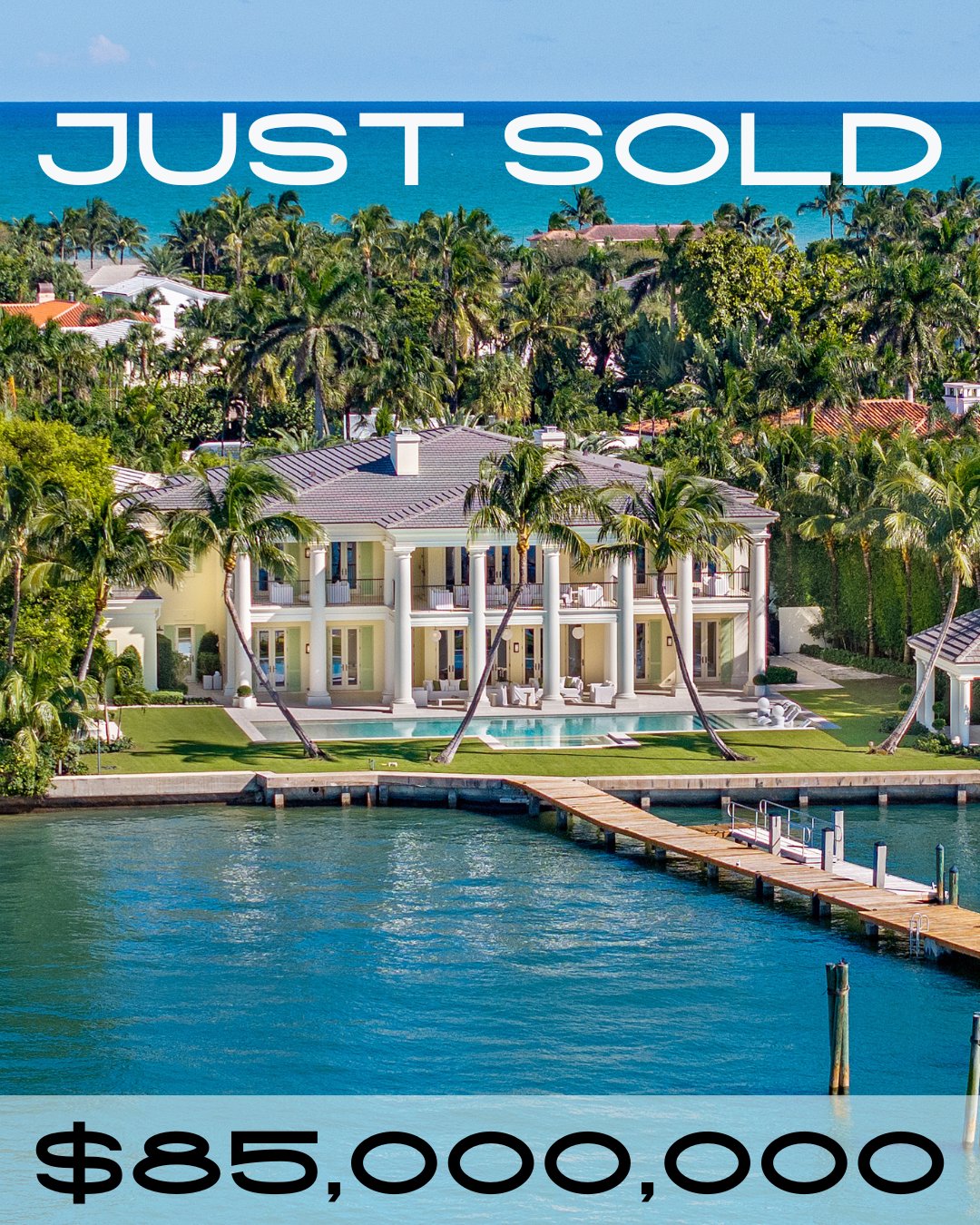
Classical and Colonial Revival homes suit owners who want a formal, symmetrical presentation. Think central halls, enfilade sequences for entertaining rooms, and private garden courts tucked behind dignified facades. The tone is refined and enduring, with layouts that favor graceful arrivals and well‑scaled hosting.
These properties often pair a ceremonial front with private terraces at the rear. For many buyers, that blend of formality and quiet outdoor living delivers both daily comfort and social polish.
Tropical Modern living
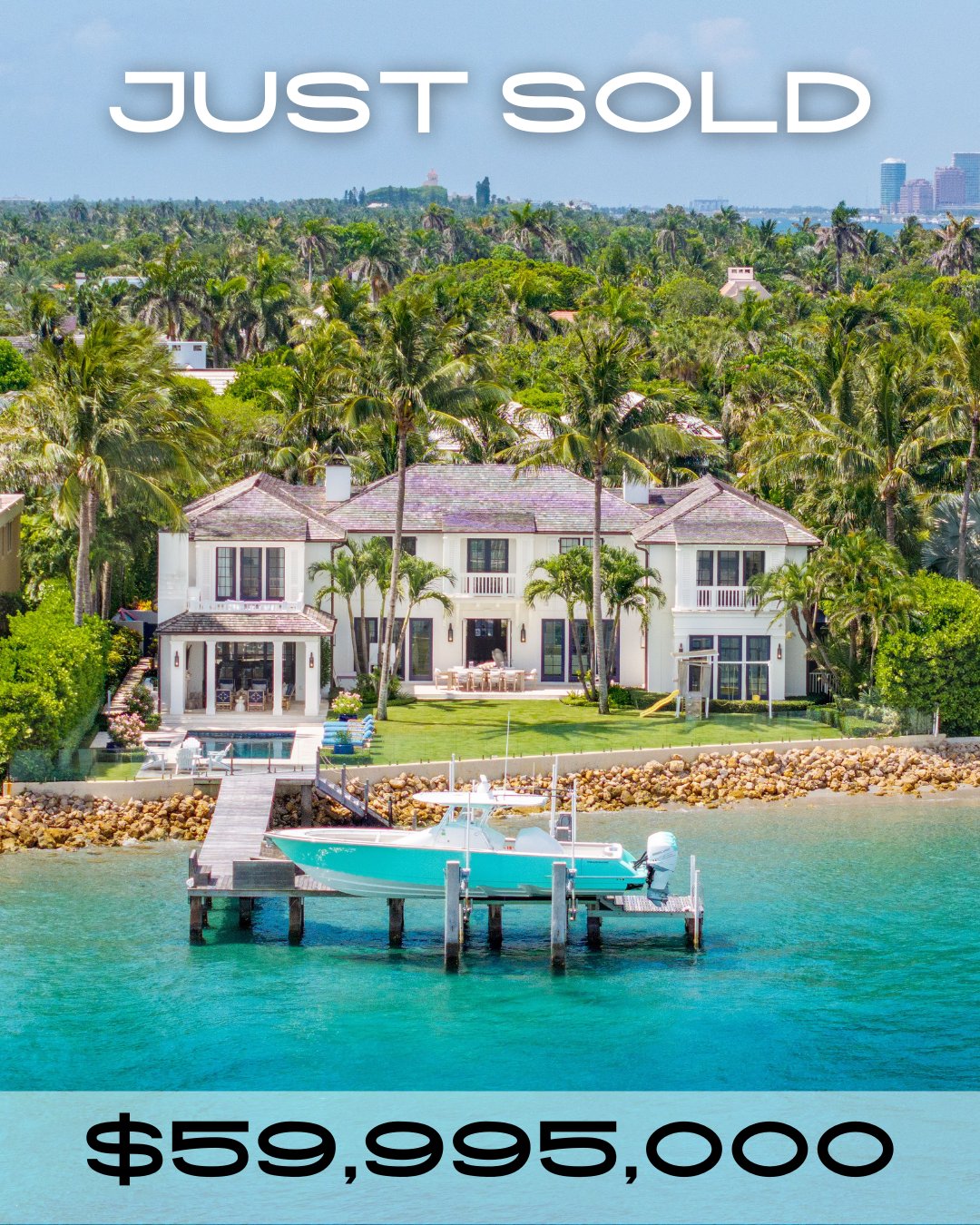
Contemporary coastal estates in Palm Beach lean minimalist, with rectilinear massing, floor‑to‑ceiling glass, deep roof overhangs, and long linear terraces. Plans are genuinely open, with sightlines that carry from entry to water. Sliding and pocketing glass walls erase the boundary between interior and exterior, turning terraces into true living rooms.
Buyers drawn to art‑friendly galleries, advanced mechanical systems, and turnkey performance often prioritize this style. In select contexts, contemporary minimalism is now part of the island fabric, particularly on newer oceanfront and intracoastal properties.
How style shapes floor plans
Your lot’s orientation drives the plan as much as style. Oceanfront estates focus east toward the beach, with loggias and stairs connecting to the sand. Lakefront and ocean‑to‑lake compounds often present two fronts: a formal approach at the street and private terraces and pools on the water side. Historic island masters like Mizner often used one‑room‑deep layouts and cascading terraces to harness breezes and frame views.
Historic plans also separate public, private, and service areas more clearly than many newer builds. Staff circulation, guest houses, and separate service wings were common. Today, owners who keep a historic shell often open and brighten interiors while upgrading structure and climate control for art and security, as seen in the award‑winning restoration of Collado Hueco (restoration case study).
Indoor–outdoor transitions by style
- Mediterranean: Arcades, loggias, and inner courtyards create shaded outdoor rooms with French doors and divided‑lite windows.
- British Colonial/West Indies: Wide porches and screened verandas function as day‑to‑day living rooms in warm months.
- Tropical Modern: Large pocketing glass walls open entire elevations, with covered terraces, outdoor kitchens, and motorized screens.
In historic homes, window muntins and proportions are character‑defining. Owners who want modern glazing often engineer custom solutions and seek approval when required, a common theme in local renovation guidance for historic estates (historic estate renovations).
What UHNW buyers prioritize now
Ultra‑high‑net‑worth buyers tend to rank privacy, secure systems, turnkey quality, wellness features, and water access at the top. Recent prime‑market research highlights increased focus on spa and fitness, air and water quality, and private amenity suites (Wealth Report 2025). Here is how that often maps to style:
- Historic Mediterranean estates: Immediate Palm Beach identity, provenance, and trophy appeal. Expect specialist roofing and envelope care, with investment in hurricane hardening and systems.
- Restored historic with contemporary interiors: The best of both worlds. You keep architectural cachet while upgrading for art display, wellness, and security.
- New Tropical Modern: Seamless indoor–outdoor living, large gallery walls, efficient systems, and robust backup power. In some settings, approvals can take strategy and patience.
Approvals and the design review landscape
Palm Beach protects its visual character through design review. Modern proposals in traditional neighborhoods may face closer scrutiny, and some have been contested, as reflected in the 11th Circuit record in Burns v. Town of Palm Beach. Before you plan major changes, confirm whether your property is landmarked and whether exterior work requires Landmarks or ARCOM review.
For process basics and to preview permit workflow, consult the Town’s FAQs (Town of Palm Beach FAQs). A clear approvals roadmap will save time and reduce redesign risk.
Resilience, code, and insurance factors
Insurance and construction resilience are central to long‑term value on the coast. FEMA’s Risk Rating 2.0 changed how flood insurance premiums are calculated, making pricing more property‑specific (FEMA Risk Rating 2.0). Always request the current FEMA FIRM panel and a recent elevation certificate so you understand baseline conditions (FEMA Map Service Center how‑to).
Florida’s coastal building code adds another layer. High Velocity Hurricane Zone expectations shape glazing, roofing, foundations, and detailing choices, which in turn affect what is feasible in both historic and modern envelopes (Florida code context from hurricane assessment). For many buyers, upgraded impact glazing, reinforced roofs, elevated mechanicals, dehumidification, and generators are now essentials rather than extras.
Pre‑offer due diligence checklist
Use this quick list to scope feasibility, carrying cost, and timeline before you commit:
- Confirm landmark or historic‑district status and whether ARCOM or Landmarks approvals apply to exterior changes. See the Town’s process overview in the FAQs.
- Pull the FEMA FIRM panel and get a recent elevation certificate. Ask how Risk Rating 2.0 is impacting current premiums.
- Verify seawall or bulkhead age and permits, along with dock depths and slip permits if boating is a priority.
- Inspect roof type and condition, flashing and mortar on tile, and whether windows are impact‑rated or rely on shutters.
- Review structural history. Check whether past restorations added foundation reinforcement and modern envelope upgrades, similar to best‑practice restorations on the island.
- Assess HVAC, dehumidification, air and water quality systems, and backup power. If you collect art, ask about stable humidity controls and filtration.
- Map easements, public access paths, setbacks, and lot coverage constraints that can affect expansion or landscape privacy.
Case study: restoration as value
One current pattern pairs historic shells with modern interiors and systems. Collado Hueco, honored with the Ballinger Award, is a prominent example of owners preserving exteriors while updating interiors for art display, climate control, and security (award‑winning restoration). For you, the takeaway is clear. With the right team, you can honor provenance without giving up contemporary comfort.
Choosing your fit
- Choose Mediterranean Revival if you want instant Palm Beach identity, layered loggias, and courtyard living, and you are comfortable with specialist maintenance.
- Choose British Colonial or West Indies if you crave shaded verandas, cross‑breezes, and classic proportions with a relaxed island cadence.
- Choose Art Deco or Tropical Moderne if you love streamlined geometry, terrazzo, and roof‑deck living, paired with sensitive material stewardship.
- Choose Classical Revival if you value formality, symmetry, and ceremonial entertaining sequences with private garden courts.
- Choose Tropical Modern if you want seamless glass‑to‑water living, open galleries for art, and top‑to‑bottom mechanical performance.
When you are ready to align style, lifestyle, and long‑term value, connect for a discreet, expert view of both on‑market and private options. For confidential guidance and access, reach out to Margit Brandt.
FAQs
What defines Mediterranean Revival homes in Palm Beach?
- Textured stucco, red barrel‑tile roofs, arcades and courtyards, with plans that often wrap around shaded outdoor rooms for breezy, year‑round living.
How does ARCOM review affect changes to Palm Beach estates?
- Exterior changes on many properties require design review; confirm if your home is landmarked and plan timelines around approvals to avoid delays.
How do oceanfront and lakefront lots shape floor plans?
- Oceanfront estates open east to the beach with loggias and stairs, while lakefront and ocean‑to‑lake properties often split formal street entries from private waterside terraces.
What resilience features should I prioritize in a coastal estate?
- Impact‑rated glazing, reinforced roofing, elevated mechanicals, whole‑home generators, and dehumidification to protect interiors and collections.
How does FEMA’s Risk Rating 2.0 change flood insurance for Palm Beach?
- Pricing is more property‑specific, so elevation, distance to water, and mitigation features can shift premiums; always review current panels and certificates before you buy.