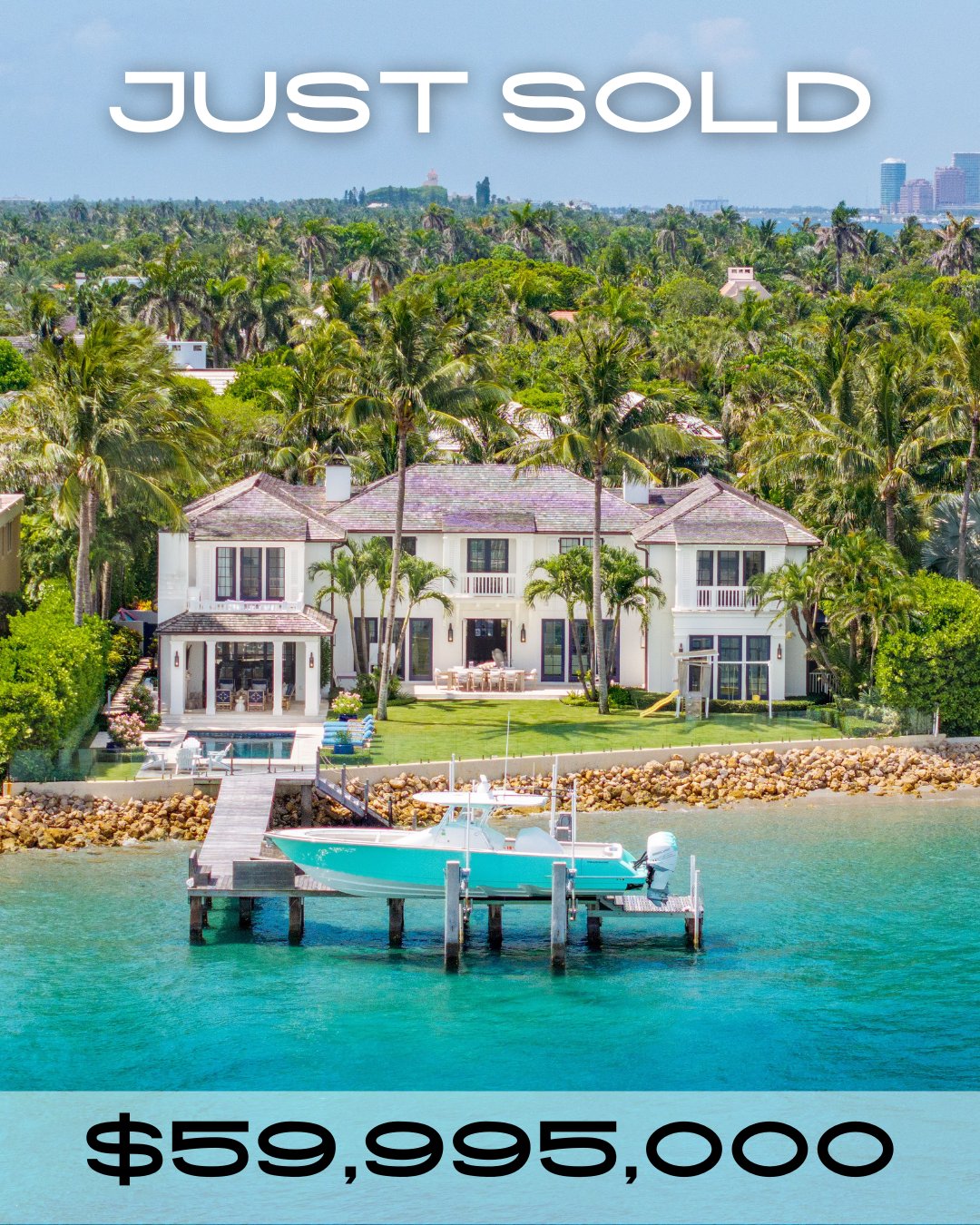
If you are buying a Palm Beach trophy estate, a standard home-buying checklist is not enough. These properties often sit inside a tightly regulated local framework where title, zoning, historic review, coastal rules, and permit history can all shape what you can do with the asset after closing. A disciplined due-diligence process helps you protect privacy, capital, and long-term plans before you commit. Let’s dive in.
Why Palm Beach due diligence is different
In Palm Beach, due diligence is unusually layered because the Town of Palm Beach is its own municipality with separate ordinances and departments. That means the rules affecting a property may come from the Town, another municipality, or unincorporated Palm Beach County depending on where the parcel sits.
For trophy estates, that distinction matters early. Zoning, permitting, historic review, coastal controls, and records access can change based on jurisdiction, so your first step is confirming exactly which authority governs the property.
Confirm the property’s governing jurisdiction
The Town of Palm Beach states that it is a separate municipality and cannot address matters in nearby cities. If a property is inside the Town, the Town’s own departments and code provisions become central to your review.
The Town’s Planning, Zoning & Building Department is especially important because it handles the Comprehensive Plan, zoning code, architectural and landmark review support, construction permitting, business tax receipt licensing, and building-record archiving. If you expect to renovate, expand, restore, or redevelop, this office is a key source of information.
If the estate is outside the Town, the governing rules may be very different. In unincorporated Palm Beach County, zoning and development review are tied to the applicable zoning district and future land use consistency.
Build the right advisory team early
Palm Beach trophy properties often require more than a broker, lender, and inspector. The Town notes that signed and sealed plans, surveys, and technical determinations may be required for coastal or zoning compliance.
In practice, buyers often need Florida real estate counsel, a title insurer or closing agent, a surveyor, and technical specialists suited to the asset. For waterfront or redevelopment-oriented purchases, that team may also need coastal, flood, marine, or engineering expertise depending on the site.
Review title, survey, and public records together
A clean acquisition starts with aligning the title record, survey, and parcel data. In Palm Beach County, the Property Appraiser GIS is the county’s official map of property ownership, maps more than half a million parcels, ties each parcel to a PCN, and is used to maintain ownership and deed-transfer records.
That makes it a strong first stop for parcel-level context such as ownership, sales history, and zoning references. It is not the only source you need, but it helps frame the review before you move deeper.
The Clerk of the Circuit Court & Comptroller’s Official Records search is another essential source. It can be searched by legal description, address, PCN, book and page, instrument number, or case number, and it includes recorded deeds, mortgages, liens, plats, and tax deeds.
Before closing, compare those records carefully against the current deed and survey. The county appraiser’s deed-processing review checks chain of title and legal descriptions after recording, which underscores how important it is to make sure the documents line up.
Check permits, liens, and code issues
Open permits or unresolved violations can create expensive surprises after closing. Palm Beach County Planning, Zoning and Building can run fine and lien searches, open-permit searches, and code-enforcement-violation searches, but those county results apply to unincorporated county items only.
If the property is inside the Town of Palm Beach, municipal permits and municipal liens are not included in that county search. You still need to review the Town’s permit and records files because those local records may affect the property’s condition, compliance, or future plans.
If records appear incomplete, the Town offers a public records request portal and states that its Planning, Zoning & Building Department archives building records. For a legacy estate with additions, seawall work, or phased renovations over time, those archived files can be especially important.
Match the survey to easements and waterfront rights
For high-value waterfront parcels, the survey deserves close attention. It should be matched against recorded easements, rights-of-way, dock or access rights, and possible encroachments before you become fully committed.
This is not a minor detail on a trophy estate. Waterfront boundaries, access features, and physical improvements can affect daily use, redevelopment strategy, and future resale.
Palm Beach County right-of-way staff specifically work with easements, plats, deeds, parcels, and property ownership. That makes the broader rights landscape just as important as the main house itself.
Verify zoning and redevelopment potential
If you are buying with plans to expand, reconfigure, or build new, test those assumptions early. In the Town of Palm Beach, Chapter 134 governs land use, setbacks, height, lot coverage, building volume and mass, and landscape open space.
Other Town code chapters also matter. Chapter 30 addresses concurrency requirements, and Chapter 110 covers subdivision or splitting of land.
The Town also offers a zoning verification letter request process. For a buyer evaluating future changes, that can be a valuable step in clarifying how the Town sees the parcel and what review path may apply.
Understand ARCOM, LPC, and Town Council review
Not every improvement is treated the same way in Palm Beach. The Town’s development review system can route projects to ARCOM, LPC, or Town Council depending on the scope of work.
Landmark or historically significant properties go to LPC. Non-landmarked or historic-significant-building design issues can go to ARCOM, while variances, special exceptions, and site plan review can go to Town Council.
This matters because a property’s beauty and pedigree do not automatically translate into redevelopment flexibility. Your intended scope of work should be evaluated against the applicable review process before you close.
Consider historic and landmark constraints
In Palm Beach, historic review is not merely symbolic. The Town states that LPC can designate landmarks and historic districts, review alterations, and issue Certificates of Appropriateness for landmark work.
If you are purchasing a residence with architectural significance, part of your diligence is understanding whether future changes would face additional review. That can affect timing, design options, and execution costs.
Review leasing rules before you buy
If leasing is part of your ownership plan, local rules should be reviewed carefully before contract deadlines pass. The Town states that short-term rentals, including Airbnb, are strictly prohibited.
Its residential-use definition generally contemplates occupancy periods of at least three months, with limited exceptions. The Town also notes that long-term rentals can trigger a Business Tax Receipt if more than one rental unit is owned.
For buyers considering seasonal use with rental flexibility, those rules are too important to assume. They should be verified as part of the property-specific diligence process.
Go beyond the standard inspection
A Palm Beach trophy estate usually calls for a broader inspection strategy than a typical home purchase. Common specialist reviews can include structural, roof, building envelope, HVAC, electrical, plumbing, pool and spa, generator, smart-home, and pest or termite evaluations.
For waterfront homes, the technical review should usually expand further. Seawall, bulkhead, dock, lift, drainage, stormwater, and elevation or flood review can all be relevant depending on the site and improvements.
These inspections help you understand not just current condition, but also deferred maintenance, replacement planning, and the feasibility of future work. On a high-value estate, those findings can meaningfully affect both pricing and decision-making.
Address flood and insurance questions early
Palm Beach County’s flood office states that flood information should always be confirmed before purchase or construction through a Florida licensed engineer, architect, or surveyor. For waterfront or low-lying property, this is a core part of the diligence process.
The Town also reminds property owners that homeowners insurance does not cover flood losses. It provides flood maps and flood-zone tools, making it wise to address elevation, flood exposure, and flood insurance questions early rather than late in escrow.
Evaluate oceanfront coastal restrictions
Oceanfront estates require another layer of review. The Town recently updated code standards related to seawall and bulkhead placement relative to the official ocean bulkhead line.
Under those updates, structures east of that line are limited to erosion-control devices, replacement seawalls, and pedestrian beach access structures. If your plans include major shoreline work or site changes, those restrictions should be understood before you proceed.
The Town also publishes ongoing coastal-protection updates and describes the beach and dune system as the island’s first line of defense. If the property is oceanfront, confirm whether any active beach renourishment, dune work, or access closures could affect construction timing, privacy, or daily enjoyment.
Include equipment and site systems in review
On a luxury estate, hidden compliance issues are not always structural. The Town has recently updated standards for mechanical equipment such as air conditioning units, generators, and pool equipment, including placement, height, setbacks, and screening.
That means roof equipment, yard equipment, and service areas should be part of your technical and zoning review. For buyers planning upgrades, these details can influence both design and approval strategy.
Core questions to answer before closing
A strong due-diligence process should leave you with clear answers to a few essential questions:
- What jurisdiction governs the parcel?
- Do the recorded title chain, survey, and appraiser records match?
- Are there easements, encroachments, liens, open permits, or code issues?
- Is your intended use permitted, including any leasing or redevelopment plans?
- Does the property face landmark, historic, coastal, bulkhead, or flood constraints?
- Which specialist inspections are appropriate for this specific estate?
In Palm Beach, due diligence is rarely about a single inspection report. It is about aligning title, survey, use rights, zoning, historic review, and coastal or flood engineering before you become fully committed to the asset.
If you are considering a marquee purchase in Palm Beach, discreet guidance can make the diligence process more focused and more strategic. For a private consultation on trophy estates, waterfront opportunities, and off-market access, contact Margit Brandt.
FAQs
What makes due diligence different for a Palm Beach trophy estate?
- Palm Beach trophy-estate diligence often involves separate Town rules on zoning, permitting, historic review, and coastal controls in addition to the standard title and inspection process.
What records should you review before buying a Palm Beach estate?
- You should review the deed, survey, Palm Beach County Property Appraiser parcel data, Clerk official records, and any relevant Town of Palm Beach permit or archived building records.
Why does jurisdiction matter when buying Palm Beach real estate?
- Jurisdiction determines which local code, permit system, zoning rules, and development-review process apply to the property.
Can you use a Palm Beach trophy estate as a short-term rental?
- In the Town of Palm Beach, short-term rentals, including Airbnb, are strictly prohibited according to the Town’s stated rules.
What inspections are important for a Palm Beach waterfront estate?
- In addition to a general inspection, waterfront buyers may need structural, roof, seawall, bulkhead, dock, drainage, stormwater, elevation, flood, and equipment-related reviews depending on the property.
What should you confirm about flood risk before buying in Palm Beach?
- Flood information should be confirmed before purchase through a Florida licensed engineer, architect, or surveyor, and buyers should address flood insurance and elevation questions early.