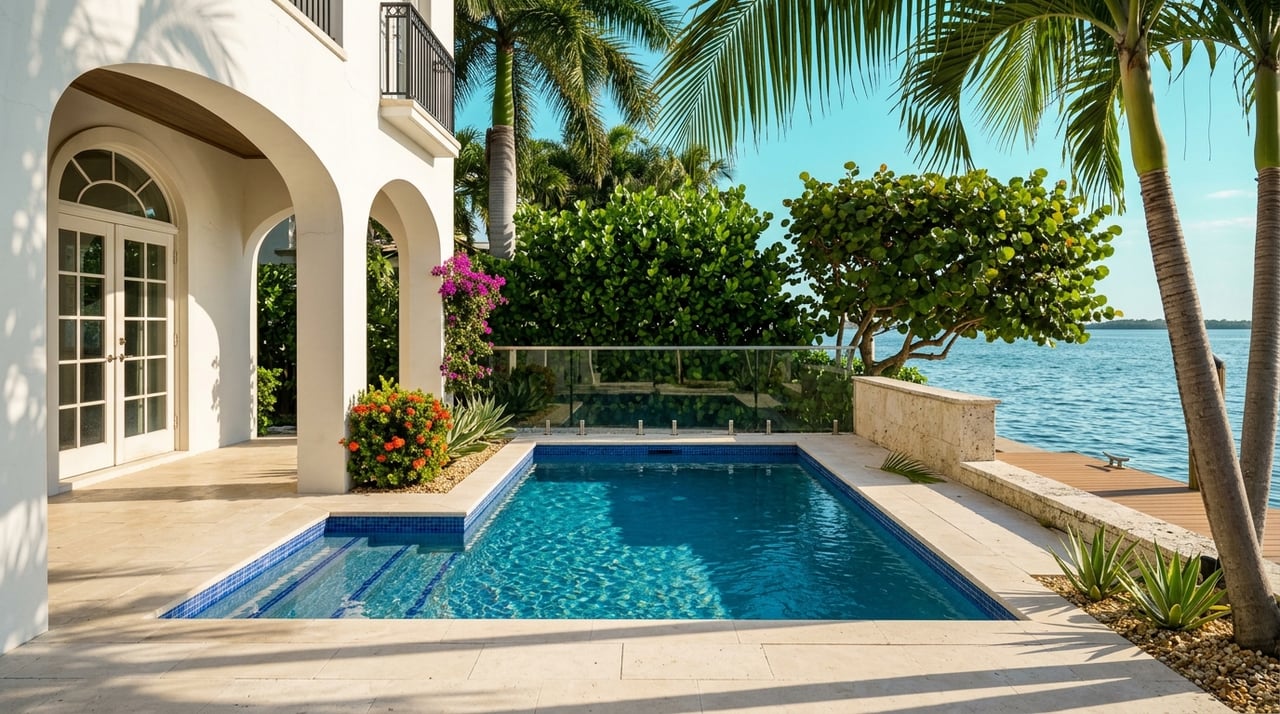
A Palm Beach waterfront address can deliver two very different lifestyles, even when both homes sit on the same narrow island. If you are weighing an oceanfront estate against an Intracoastal property, the right choice usually comes down to how you want to live day to day, what kind of water access matters most, and how a specific parcel can actually be used. This guide will help you compare the two with a clearer lens so you can make a more confident decision. Let’s dive in.
Palm Beach Waterfront Basics
Palm Beach Island sits between the Atlantic Ocean to the east and Lake Worth Lagoon, often called the Intracoastal, to the west. That geography is what creates the island’s classic split between direct ocean exposure and lagoon-facing waterfront living.
In practical terms, oceanfront usually means direct Atlantic frontage. Intracoastal in Palm Beach generally refers to property facing Lake Worth Lagoon. While those labels are useful, they only tell part of the story because the Town regulates each parcel through zoning, design review, and site-specific building rules.
Oceanfront Living in Palm Beach
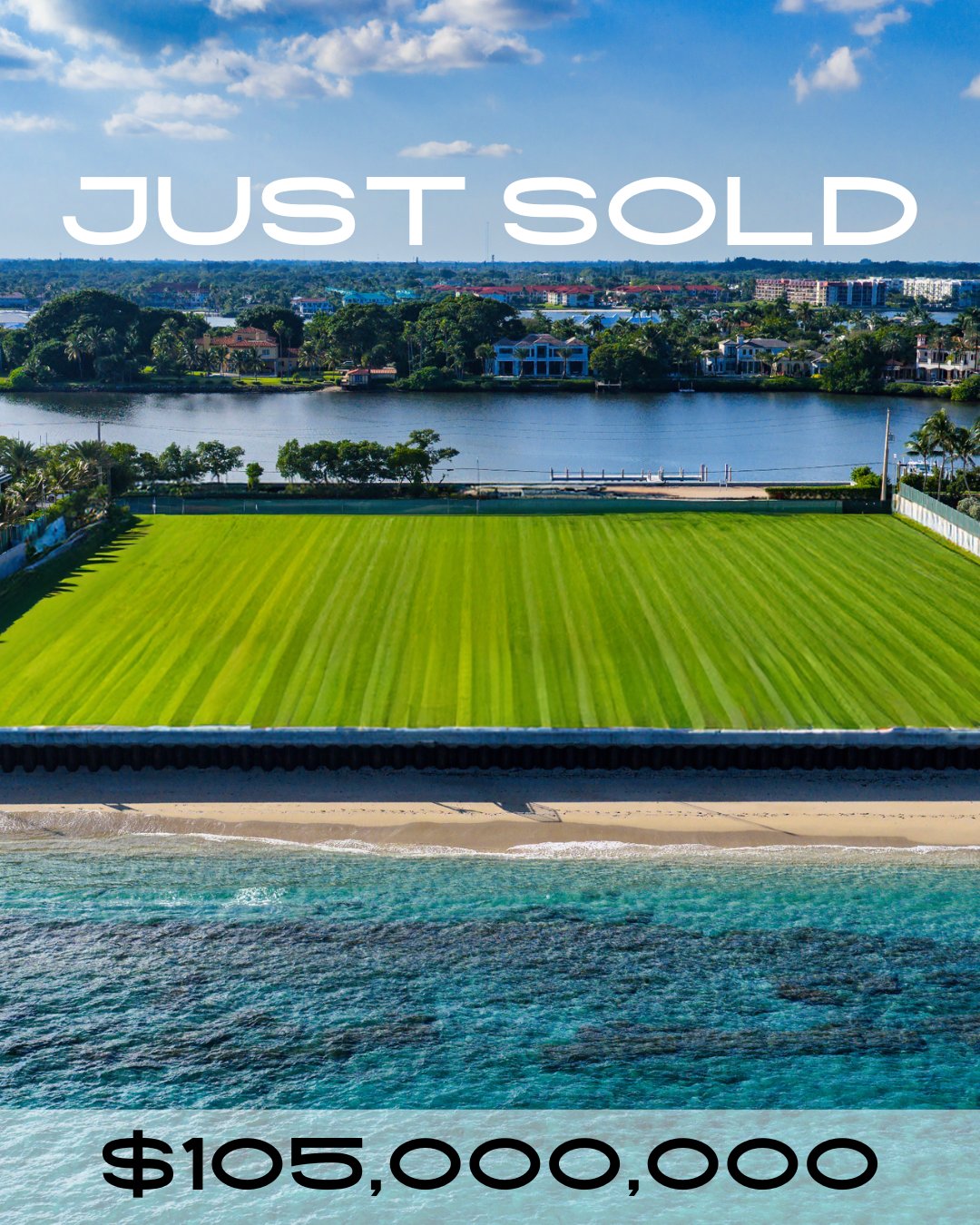
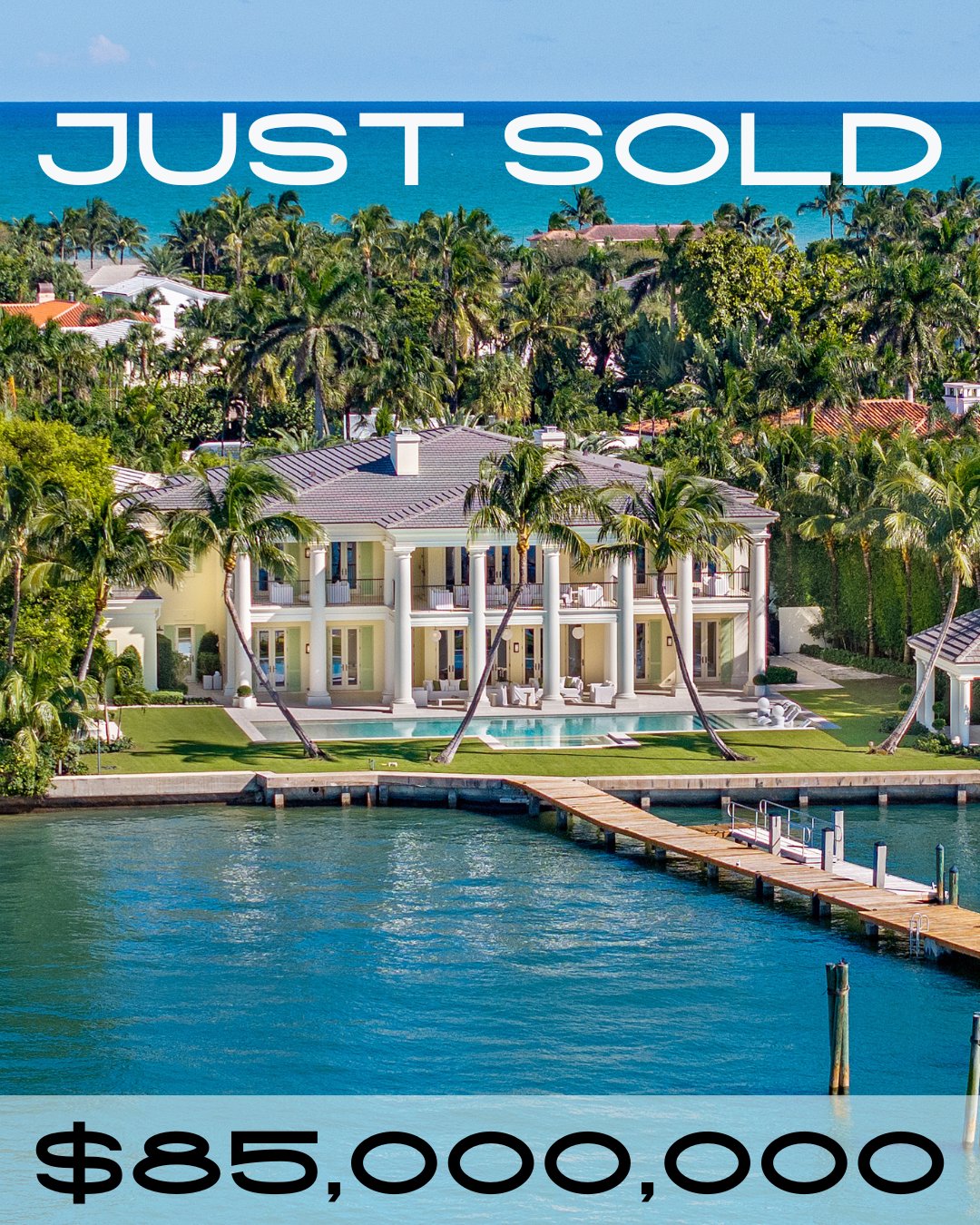
Oceanfront ownership offers the most direct connection to the beach. If your goal is to step out to sand, hear the surf, and enjoy a broad Atlantic horizon, this side of the island delivers the strongest sense of immediacy.
The Town of Palm Beach has more than 12 miles of beachfront within its limits and actively manages shoreline conditions through beach renourishment, dune restoration, and groin rehabilitation. That is important because an oceanfront view is not a static backdrop. It exists within an active coastal management setting.
What Oceanfront Often Offers
For many buyers, the appeal of oceanfront property is emotional as much as practical. The Atlantic side tends to offer:
- Direct beach adjacency
- Expansive open-water views
- A strong sense of privacy tied to large estate settings
- A true coastal living experience centered on the shoreline
That said, each home needs to be judged on the specific parcel, not just the category. Beach access, lot shape, elevation, and neighboring conditions all affect how an estate feels and functions.
Oceanfront Tradeoffs to Consider
The same features that make oceanfront property compelling can also create added complexity. Atlantic-facing homes are generally more exposed to surf, wind, salt air, and seasonal beach operations.
The Town also applies detailed rules to shoreline improvements and beach-access structures. In 2026, Palm Beach codified rules for private pedestrian beach access stairs, ladders, and ramps, generally limiting one access structure per parcel unless additional review is granted. The Town also updated bulkhead and seawall rules along the Atlantic, including where structures may be placed relative to the official ocean bulkhead line.
If a parcel sits east of that line, permitted improvements are more limited. In that setting, erosion-control devices, replacement seawalls or bulkheads, and beach-access structures may shape what is possible. For a buyer considering a renovation or new vision, those details matter early.
Intracoastal Living in Palm Beach
On the west side of the island, Intracoastal frontage usually means Lake Worth Lagoon. This is a 20-mile estuary, and the Atlantic Intracoastal Waterway runs through it, giving the waterway a different feel and utility than the open ocean.
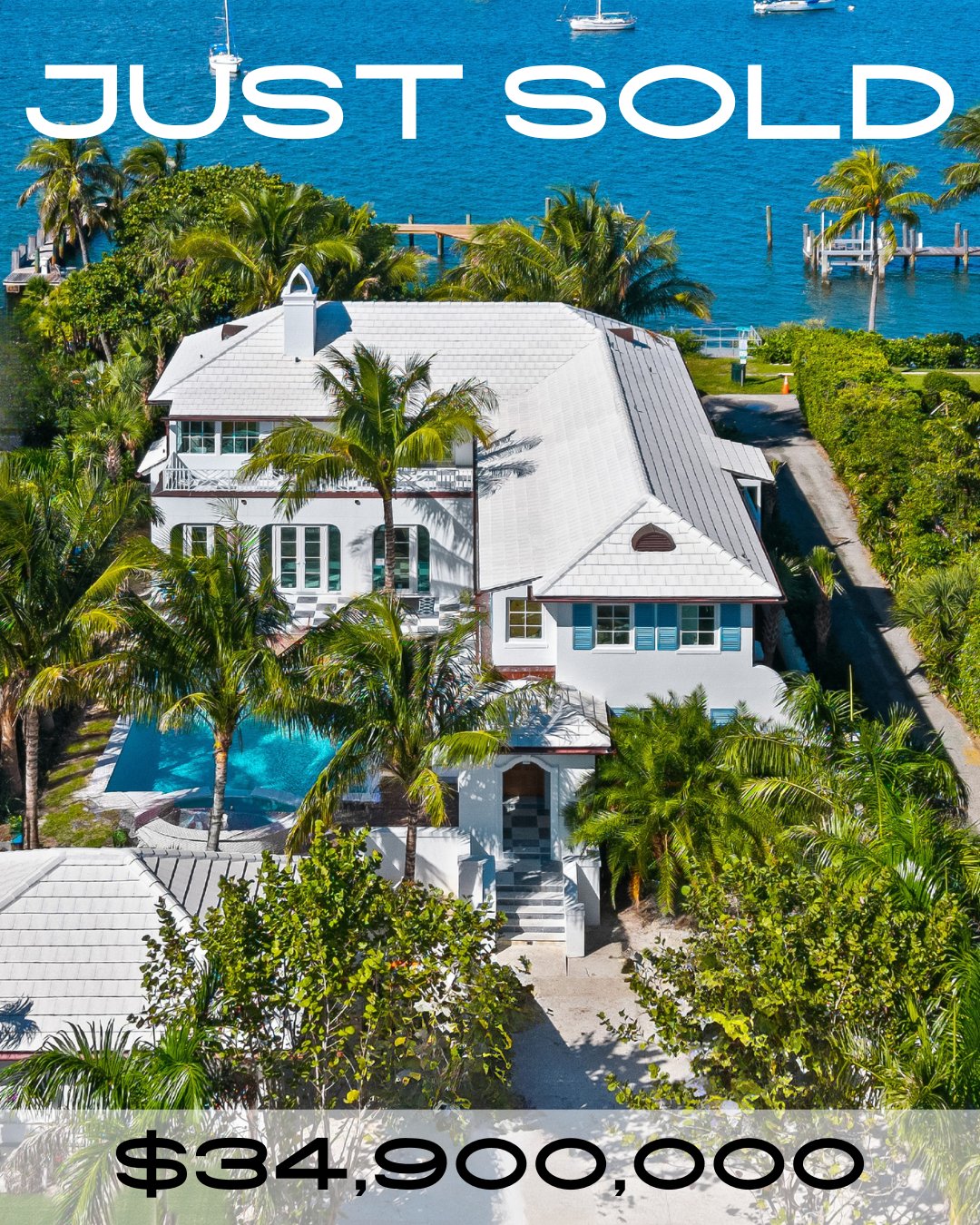
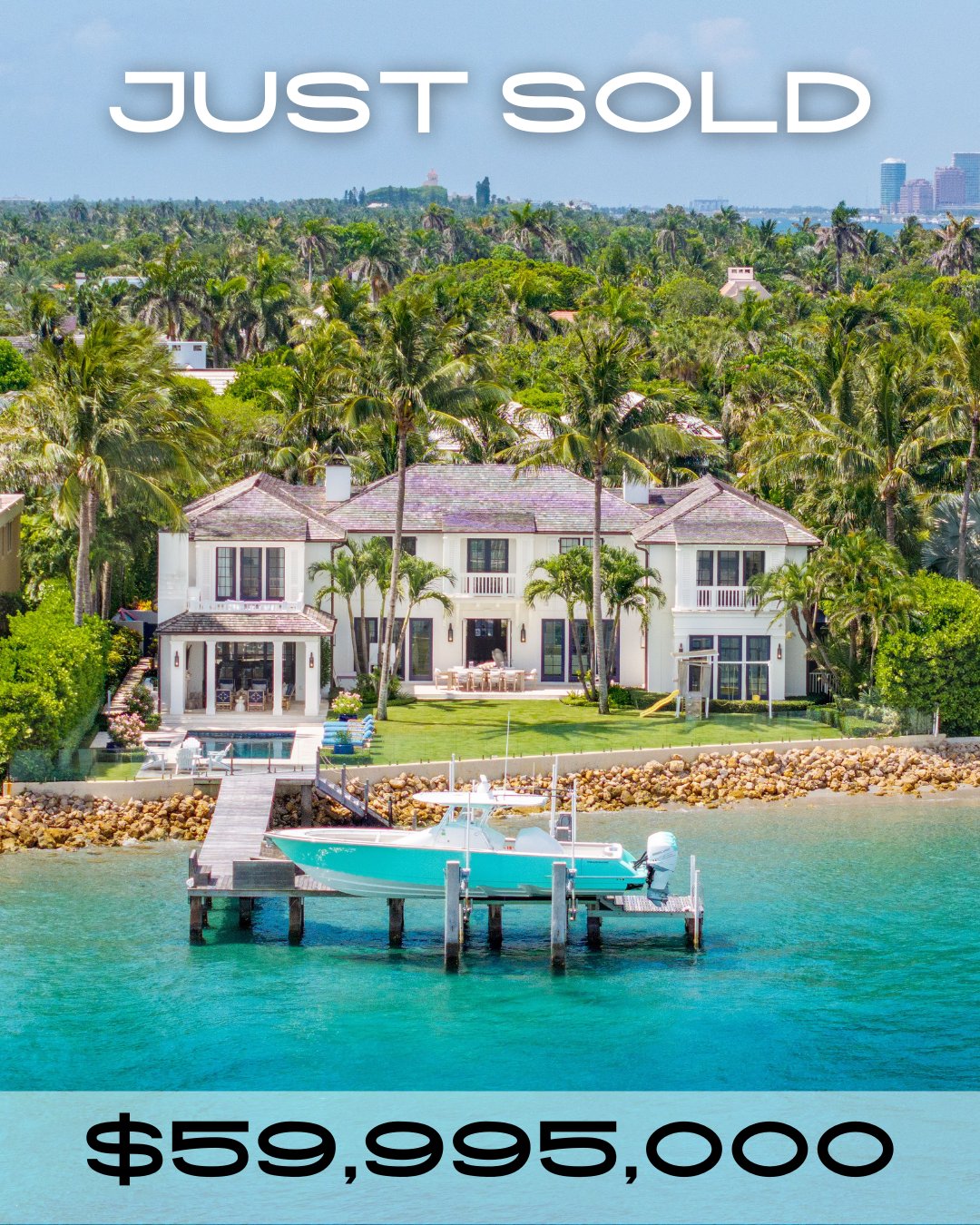
For many buyers, the Intracoastal side is about function as much as beauty. If you value dock use, boating logistics, and a more sheltered water setting, this side of the island often becomes the stronger fit.
What Intracoastal Often Offers
The west side of Palm Beach is typically where buyers look for:
- Private dock potential
- Direct launch or berthing convenience
- Sunset-oriented water views
- More protected day-to-day water conditions
View quality still depends on the exact block, canal opening, neighboring docks, and nearby buildings. Not every west-facing parcel will feel the same, which is why micro-location matters so much in Palm Beach.
Boating Rules Matter Here
If boating is part of your decision, the Town’s rules deserve close attention. Palm Beach states that vessels may be moored in a lawful marina, a designated mooring field, or a private residential dock that meets required utility and service standards, including potable water, operational toilet facilities, lawful sewer or septic connection, and regular garbage service.
The Town also states that living aboard is only allowed in those compliant locations. Overnight anchoring is prohibited for more than 30 days within any six-month period. For buyers who want a home-based boating setup, these rules help define what daily use can realistically look like.
Oceanfront vs Intracoastal at a Glance
| Feature | Oceanfront | Intracoastal |
|---|---|---|
| Water orientation | Atlantic Ocean | Lake Worth Lagoon / Intracoastal |
| Lifestyle focus | Beach access and open-water setting | Dock use, boating, and sheltered waterfront |
| Typical view character | Broad ocean horizon | West-facing water views and sunsets |
| Exposure | Higher wind, surf, and salt-air exposure | Generally calmer day-to-day water conditions |
| Key regulatory focus | Shoreline protection, seawalls, beach-access rules | Dock and vessel-use compliance |
Why the Parcel Matters More Than the Label
In Palm Beach, two waterfront homes can sound similar in a listing yet offer very different long-term potential. The Town’s planning framework governs setbacks, height, lot coverage, building volume and mass, and landscape open space. That means your real comparison should start with the lot itself.
The Town’s zoning summary shows that minimum lot sizes vary by district. They can be as large as 60,000 square feet in R-AA, 20,000 square feet in R-A, and 10,000 square feet in R-B and single-family R-C. The same summary notes a maximum of two habitable stories for single-family and two-family development.
Buildable Envelope Can Change Everything
Two parcels with similar frontage may have very different redevelopment paths. Zoning district, plat history, and physical site conditions can all affect how much of the lot is usable and what form a future residence may take.
For a buyer in the ultra-luxury market, this often becomes one of the most important parts of due diligence. The best waterfront acquisition is not always the one with the most dramatic first impression. It is often the one whose parcel conditions align with your goals.
Design Review and Historic Context
Architecture and preservation also play a major role in Palm Beach. The Town requires design review through ARCOM for non-landmarked properties, while landmarked or historically significant properties go through the Landmarks Preservation Commission.
The Town says more than 328 landmark properties, sites, and vistas are protected. That means your choice is not only about east versus west water exposure. It can also shape how much flexibility you may have for renovation, expansion, or architectural change.
Questions to Ask Before You Choose
If you are deciding between an oceanfront estate and an Intracoastal property, a few questions can quickly sharpen the picture.
Start With Lifestyle Priorities
Ask yourself:
- Do you want immediate beach access or private dock potential?
- Do you picture daily life around the Atlantic shoreline or around boating and lagoon access?
- Do sunset views matter more to you than direct ocean frontage?
- Are you comfortable with the exposure that comes with the ocean side?
Then Move to Property-Specific Questions
Once the lifestyle fit is clear, the next step is parcel analysis. Key questions include:
- What zoning district is the property in?
- Is the parcel east of the official ocean bulkhead line?
- Do beach-access or seawall rules limit future plans?
- Does landmark status or historic review affect design flexibility?
- How do neighboring structures, docks, or site lines affect the actual view?
These are the details that often separate a compelling property from the right property.
Which View Fits You Best?
If you want the fullest expression of Palm Beach’s beach-estate lifestyle, oceanfront property is hard to replicate. It offers direct Atlantic presence, dramatic shoreline living, and a sense of arrival that is uniquely tied to the ocean.
If your priorities lean toward dock utility, boating access, and a more protected waterfront setting, the Intracoastal side can be the more practical and equally prestigious choice. For many buyers, it also offers the west-facing light and sunset orientation that define a different kind of Palm Beach luxury.
The best choice is rarely about which side is better in the abstract. It is about which parcel, regulatory setting, and waterfront experience best match the way you want to live.
If you are considering a trophy waterfront purchase in Palm Beach, working with an advisor who understands parcel-level differences, zoning nuance, and discreet access can make the process far more precise. To discuss oceanfront and Intracoastal opportunities privately, connect with Margit Brandt.
FAQs
What does Intracoastal mean in Palm Beach real estate?
- In Palm Beach, Intracoastal usually refers to property facing Lake Worth Lagoon on the west side of the island.
What is the main difference between oceanfront and Intracoastal homes in Palm Beach?
- Oceanfront homes offer direct Atlantic exposure and beach adjacency, while Intracoastal homes are typically associated with lagoon frontage, dock potential, and boating use.
Are oceanfront properties in Palm Beach subject to extra rules?
- Yes. The Town applies detailed shoreline, seawall, bulkhead, and beach-access rules that can affect what improvements are allowed on oceanfront parcels.
Can a Palm Beach Intracoastal home support private boating?
- It can, but use must comply with Town rules for private residential docks, vessel mooring, and related utility and service requirements.
Does zoning affect waterfront value and usability in Palm Beach?
- Yes. Zoning affects lot size requirements, setbacks, height, lot coverage, building mass, and other factors that shape what a parcel can support.
Why should Palm Beach buyers look beyond the listing description?
- Marketing labels alone do not explain a property’s buildable envelope, shoreline constraints, design-review requirements, or boating limitations, all of which can strongly affect long-term fit.