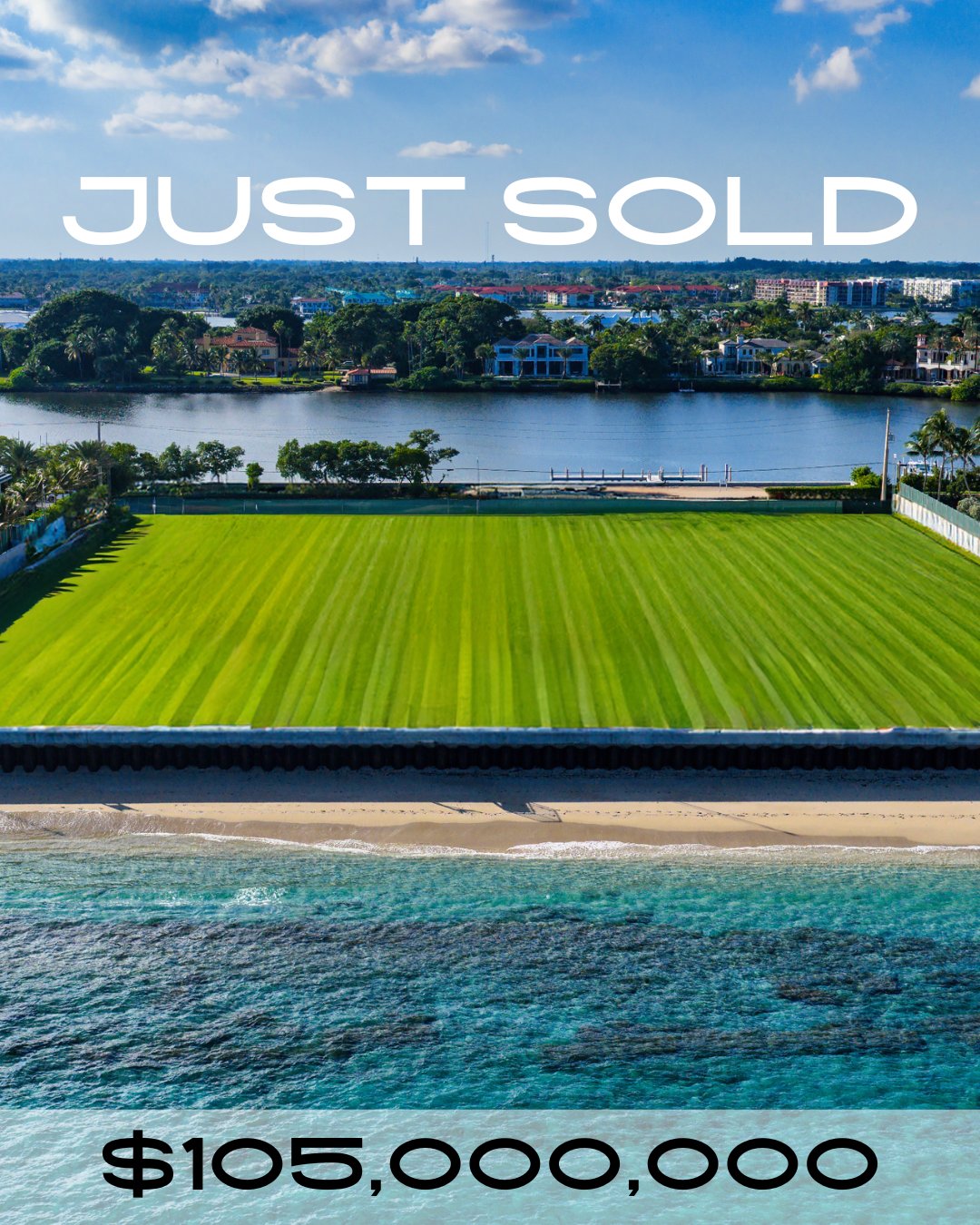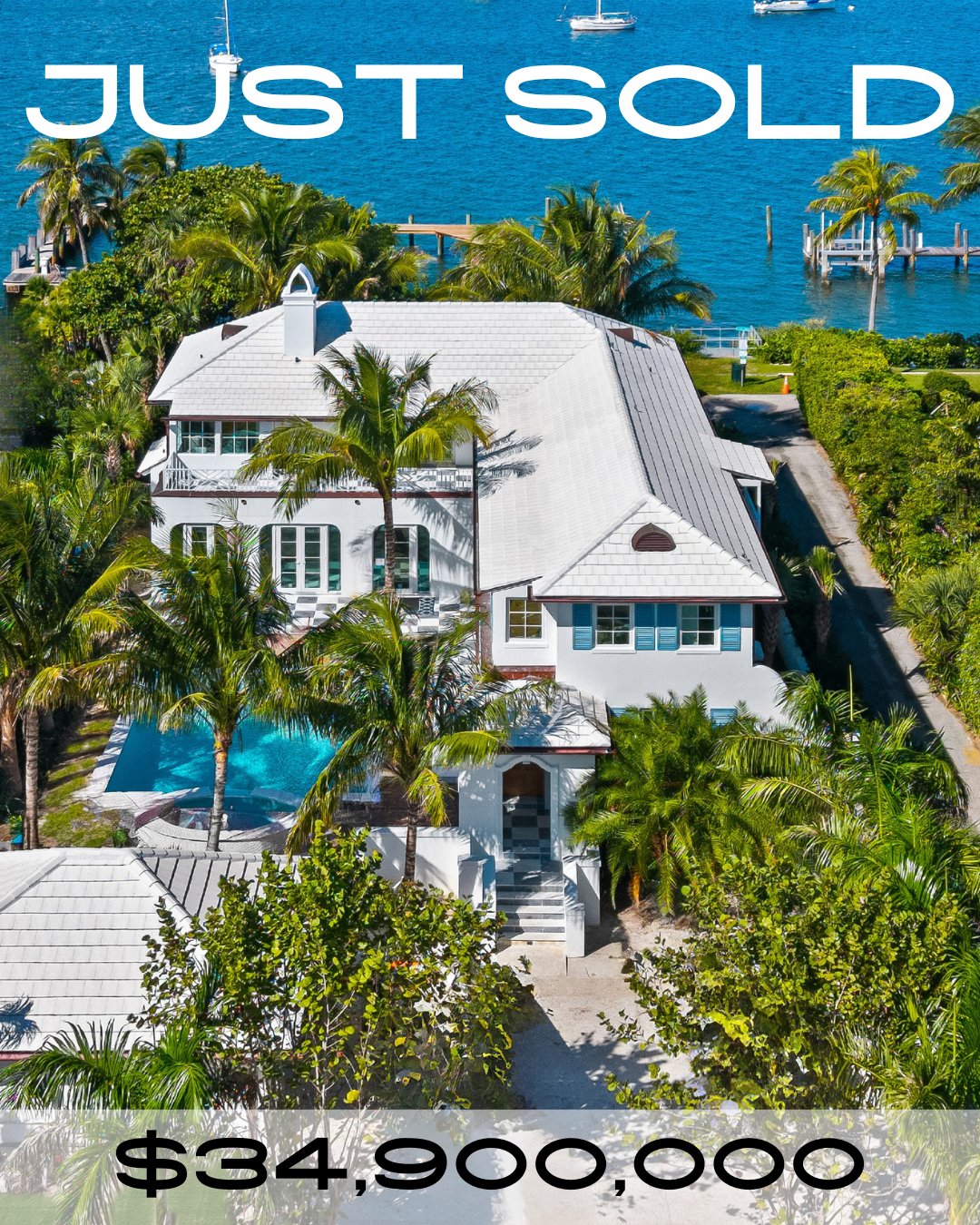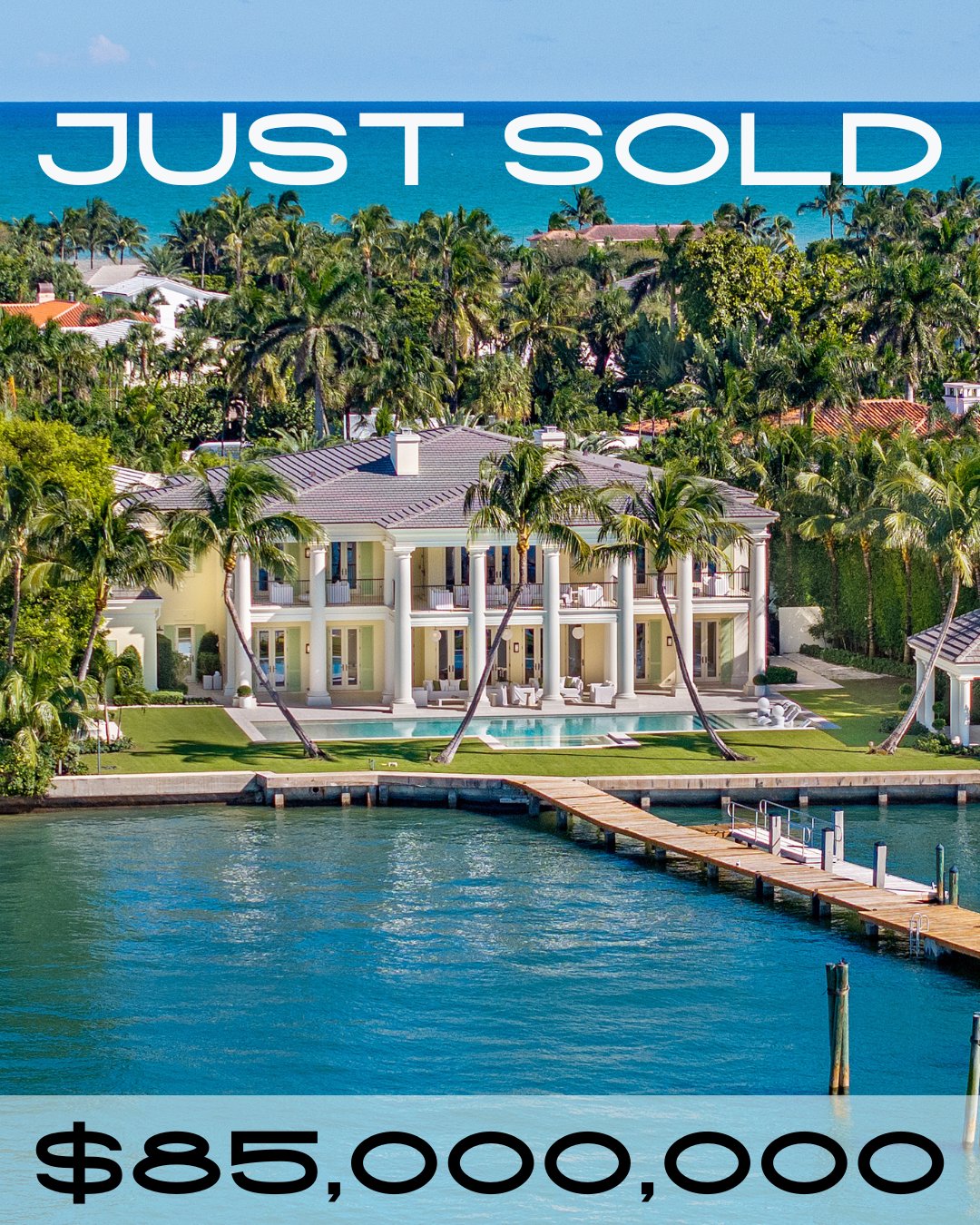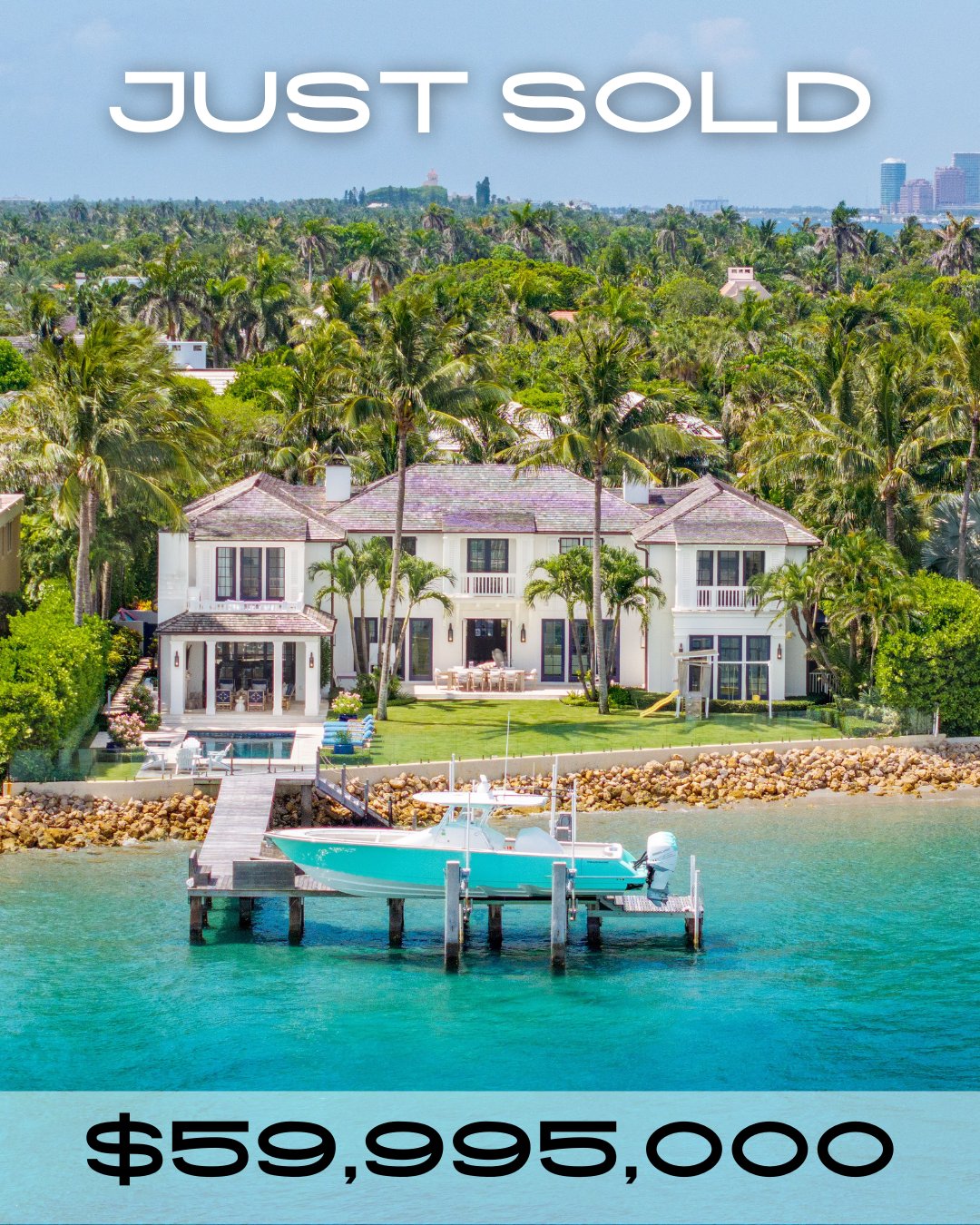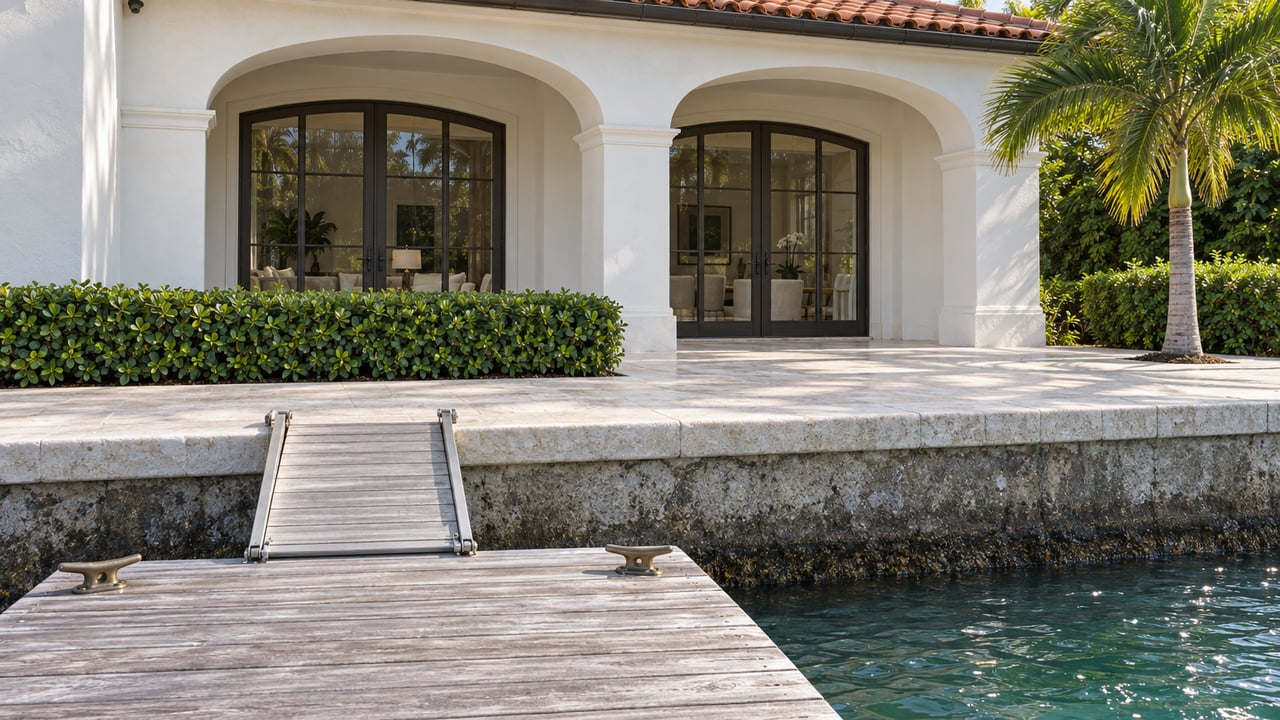
In 2024, the Town of Palm Beach amended the section of its code that governs bulkheads and piers on Lake Worth. Ordinance No. 009-2024 rewrote Chapter 62, Marine Structures, changing how a dock's buildable footprint gets measured, creating a new category called a marginal dock with its own specifications, and writing bespoke dock rules for two specific islands. None of that shows up in a listing photo. All of it becomes relevant the moment a buyer closes on a waterfront estate and starts planning what happens at the water's edge.
For a trophy property where the dock is not an amenity but the point, room for a yacht, a tender, staff access by water, that ordinance is now part of the transaction whether anyone mentions it or not. And it reaches further than most buyers assume. Tarpon Isle is the only private island situated inside the Town of Palm Beach's own boundaries, which means any dock or seawall work there falls under this exact chapter, the same one that governs every other parcel on the town's Lake Worth shoreline.
The Line That Moved
Before the 2024 amendment, dock envelope on Lake Worth was measured against something called the Town of Palm Beach Bulkhead Line, a town-drawn reference with no equivalent outside Palm Beach. The new ordinance eliminated that reference and replaced it with the Mean High Water Line, the tidal boundary state and federal agencies already use. That is a technical correction on paper. In practice, it changes the starting point for calculating how far a dock, gangway, or terminal platform is allowed to extend.
For an owner planning new construction, this mostly means designing to a different baseline. For an owner whose existing dock was built decades ago under the old bulkhead-line math, it raises a real question: does that structure remain legally nonconforming as-is, or does it get pulled into compliance the next time it is rebuilt, repaired, or expanded past routine maintenance. That is not a hypothetical for a private island estate changing hands at eight or nine figures, where the next owner is far more likely than the last to want a larger dock, a second slip, or a rebuilt seawall to match new construction elsewhere on the property.
One Chapter, Different Rules by Island
The same ordinance did something else worth understanding before anyone treats dock capacity as a comparable data point across island properties. It wrote specific provisions into Section 62-74 for docks on Everglades Island and Ibis Isle, separate from the general marginal dock standard that applies to the rest of Lake Worth. In other words, the town has already established that it will customize dock rules island by island when it sees reason to.
Tarpon Isle currently sits inside the general marginal dock framework rather than a carve-out written for it by name. That could change. It has for other islands. A buyer who assumes the existing dock on one island property is a reliable stand-in for what's achievable on another, because both are private islands in the same town, is reasoning from a premise the code itself no longer supports uniformly.
Getting a dock or seawall project from concept to permitted construction on Lake Worth means coordinating across more than one agency, and each layer runs on its own clock.
| Agency | What it reviews | Typical timeline |
|---|---|---|
| Town of Palm Beach | Local marine structure permit, dimensions, lighting | Weeks for straightforward projects |
| FDEP | Coastal Construction Control Line, sovereign submerged lands | Several weeks to months |
| SFWMD | Environmental Resource Permit for dredge, fill, surface water impacts | Several weeks to months, longer with habitat review |
| USACE | Structures and dredge or fill in navigable waters | About 45 to 60 days for a complete Nationwide Permit notification, longer for individual review |
Local permits typically issue only after state and federal authorizations are in hand, so these reviews run in sequence more often than in parallel. A project with no dredging and no habitat complications can clear in weeks. One that touches seagrass, requires a new bulkhead line calculation under the mean high water standard, or needs an individual USACE permit rather than a Nationwide Permit can run several months before a shovel goes in the water.
Two Overlapping Seasons
Sea turtle nesting season in Palm Beach County runs from March 1 through October 31. During that window, permits for in-water and beachfront work typically carry added conditions: lighting restrictions, limits on night work, and in some cases dedicated observers on site. Hurricane season, June 1 through November 30, overlaps almost the entire nesting window and adds its own friction to material deliveries, barge scheduling, and contractor availability.
The Town's own coastal work follows this logic. Its Reach 8 and 9 dune restoration project was delayed by access challenges south of the Lake Worth Pier, then deliberately finished later in the year, outside sea turtle nesting season, with crews closing out final grading toward a 30,000 cubic yard sand placement goal in November and December of 2025. That is a town choosing to work around the nesting calendar rather than through it. A private owner planning a new dock or seawall on Lake Worth is working inside the same calendar, whether or not a contractor mentions it upfront. In practice, the cleanest construction window on the water sits somewhere in the five months between November and March, and that window only opens once permitting has already cleared.
What This Means If You're Closing on a Private Island
None of this changes the fundamentals of what makes waterfront and island property in Palm Beach valuable. It does change what due diligence should look like before a closing date gets set.
A survey referencing the current Mean High Water Line, not the retired Town of Palm Beach Bulkhead Line, tells a buyer where the buildable dock envelope actually starts today. Asking whether an existing dock predates the 2024 ordinance, and whether it has ever been rebuilt or expanded since, clarifies whether it is grandfathered as legally nonconforming or already measured under current rules. And if a rebuild or expansion is part of the plan, whether for a larger vessel, a second slip, or matching new construction elsewhere on the property, building the full agency sequence, Town, FDEP, SFWMD, USACE, and County where floodplain or lighting rules overlap, into the closing and renovation timeline avoids the more common mistake: assuming the dock is a fixed, transferable feature rather than a permit history that has to be read on its own terms.
For a property like Tarpon Isle, where the water is not a backdrop but a third or more of the lot line, that distinction is not a footnote. It's the difference between a dock that functions the way the last owner used it and one that has to be renegotiated with four agencies before it does.
A short FAQ
Does the 2024 marine structures ordinance apply to Tarpon Island specifically? Yes. Tarpon Isle is the only private island located inside the Town of Palm Beach's jurisdiction, so any dock, bulkhead, or seawall work there is governed by the same Chapter 62 rules that apply across the rest of the town's Lake Worth shoreline.
Does an existing dock have to be rebuilt to meet the new standard? The ordinance is not a mandate to rebuild existing structures. It governs what applies at the point a dock is replaced, expanded, or substantially repaired, which is exactly the moment most new owners of a trophy waterfront property tend to reach.
How long should a buyer realistically budget for a new dock or seawall permit? A simple, non-dredging project can clear in weeks. Anything involving dredging, seagrass or benthic habitat review, or an individual rather than general federal permit more realistically runs several months, before accounting for the seasonal construction windows described above.
Dock rights on a property like this are not a line item to confirm after closing. If you're evaluating a waterfront or private-island estate in Palm Beach and want the permit history read correctly before you're under contract, not after, Margit Brandt Palm Beach can walk through what a specific dock or seawall actually carries with it. Request a private consultation.