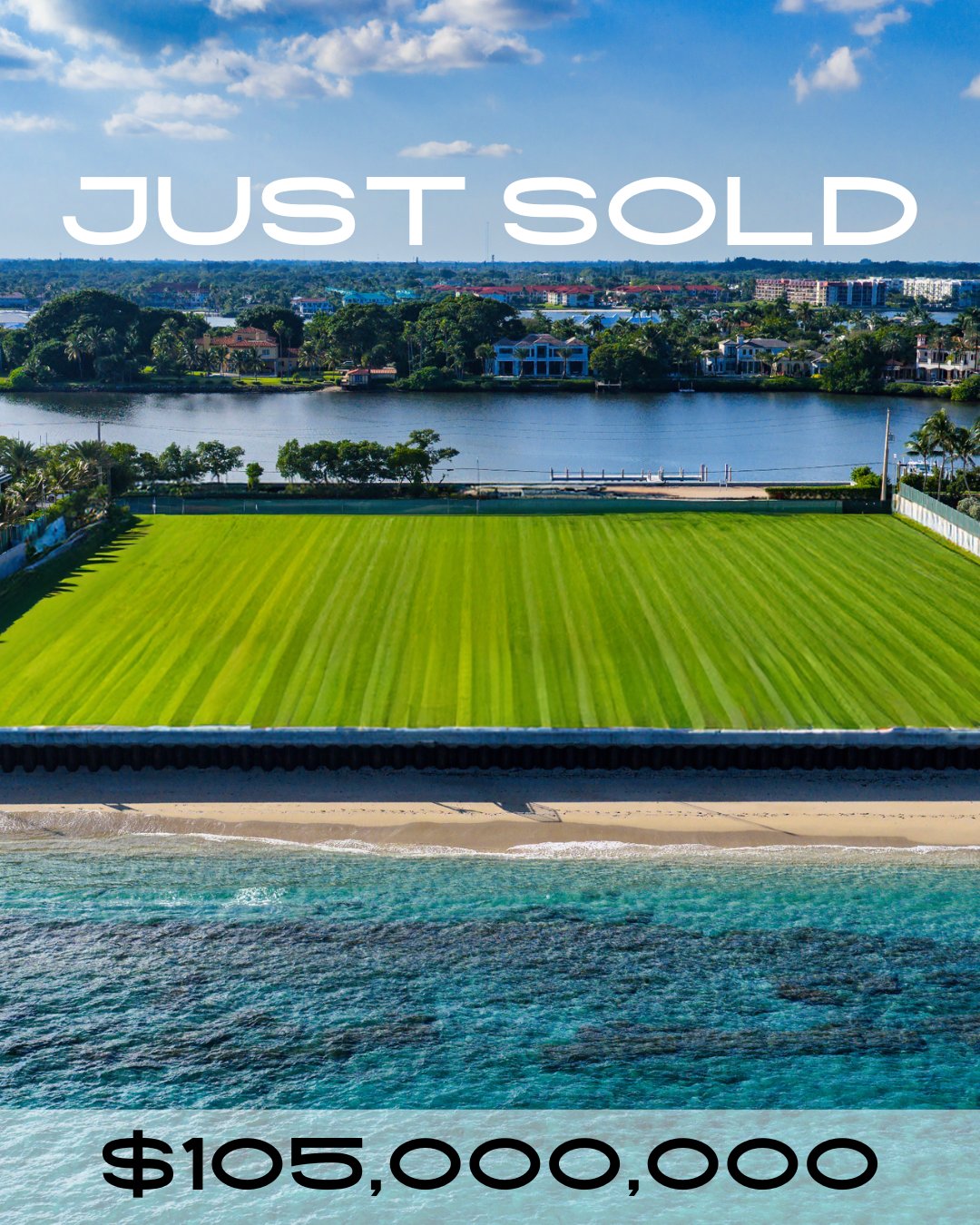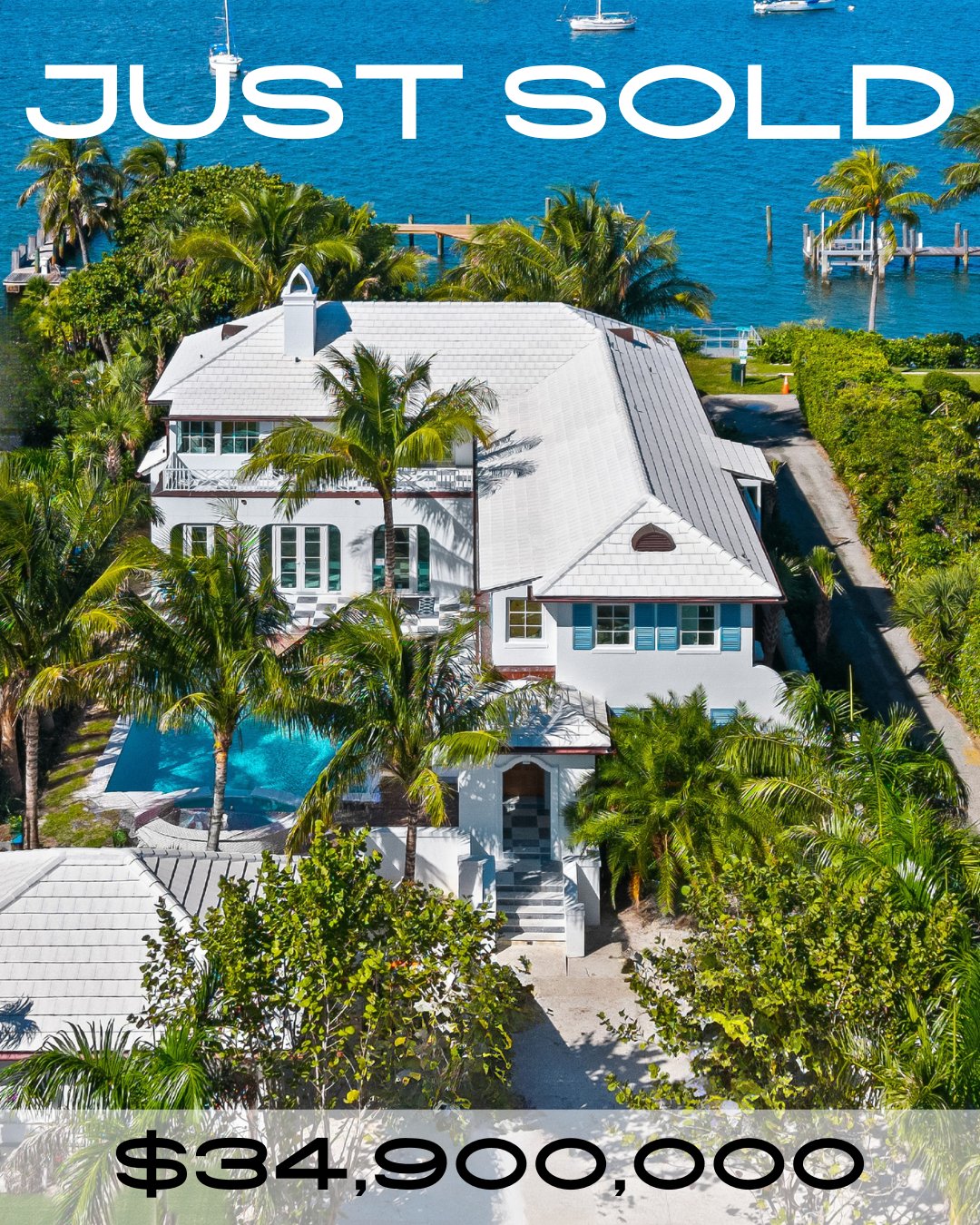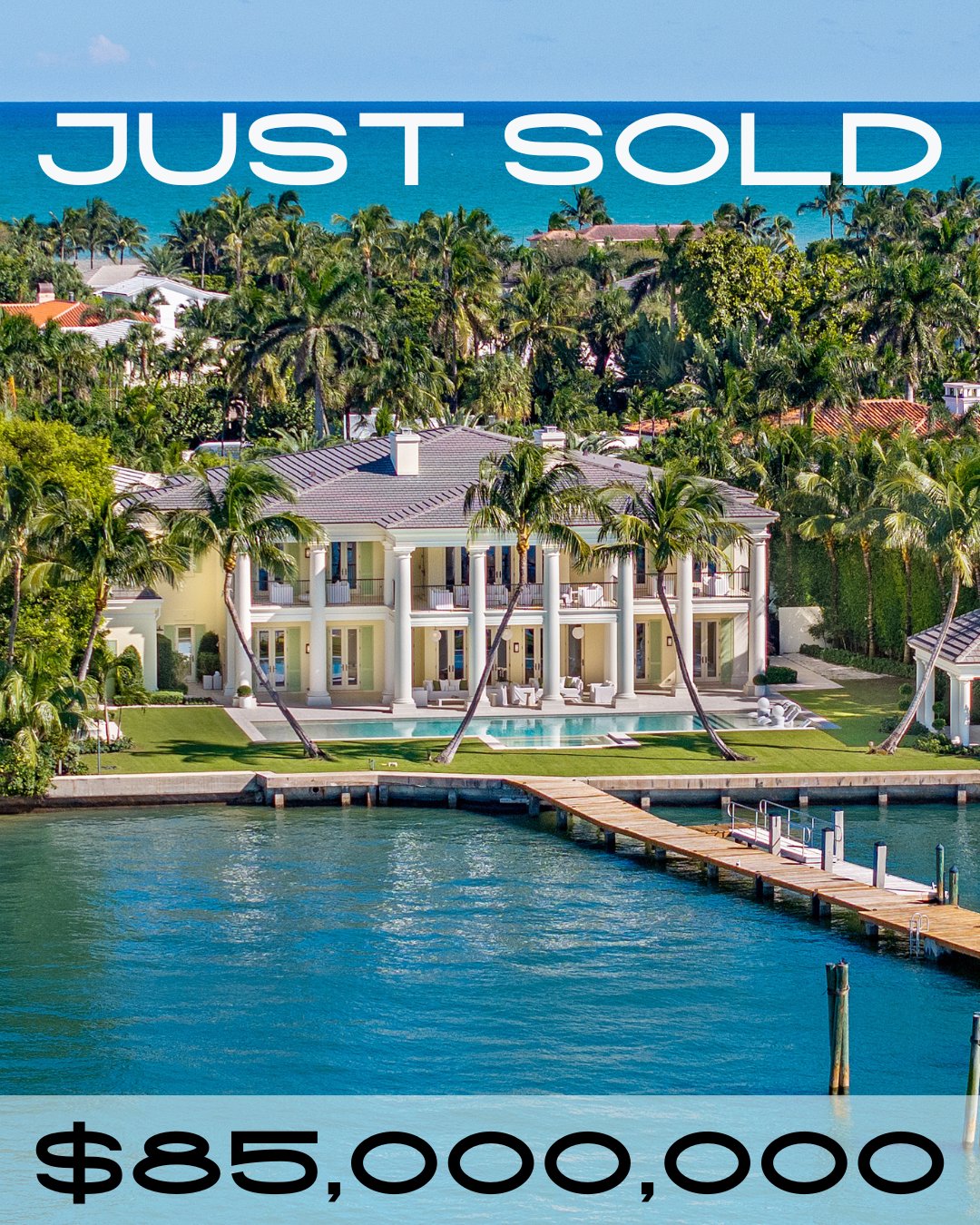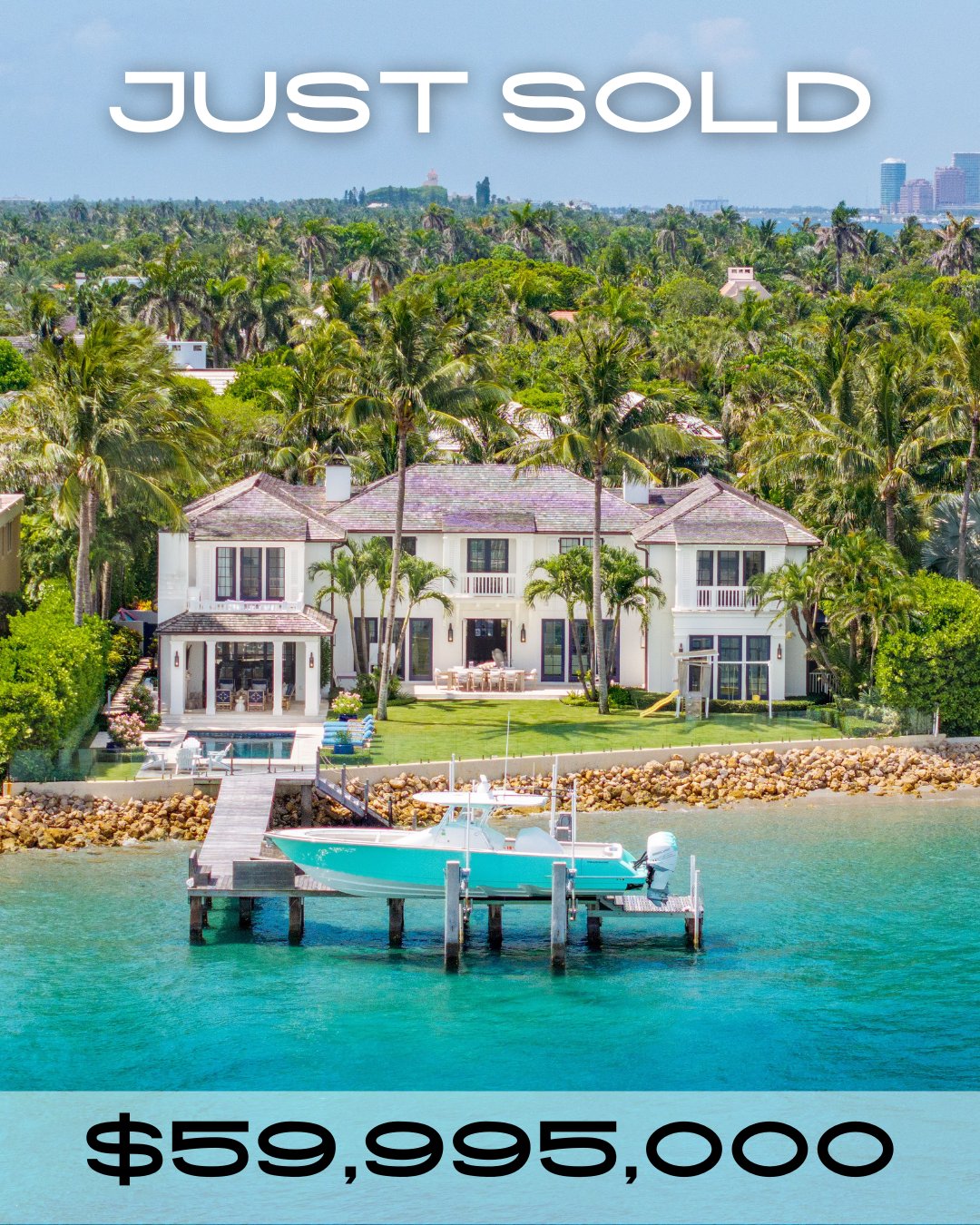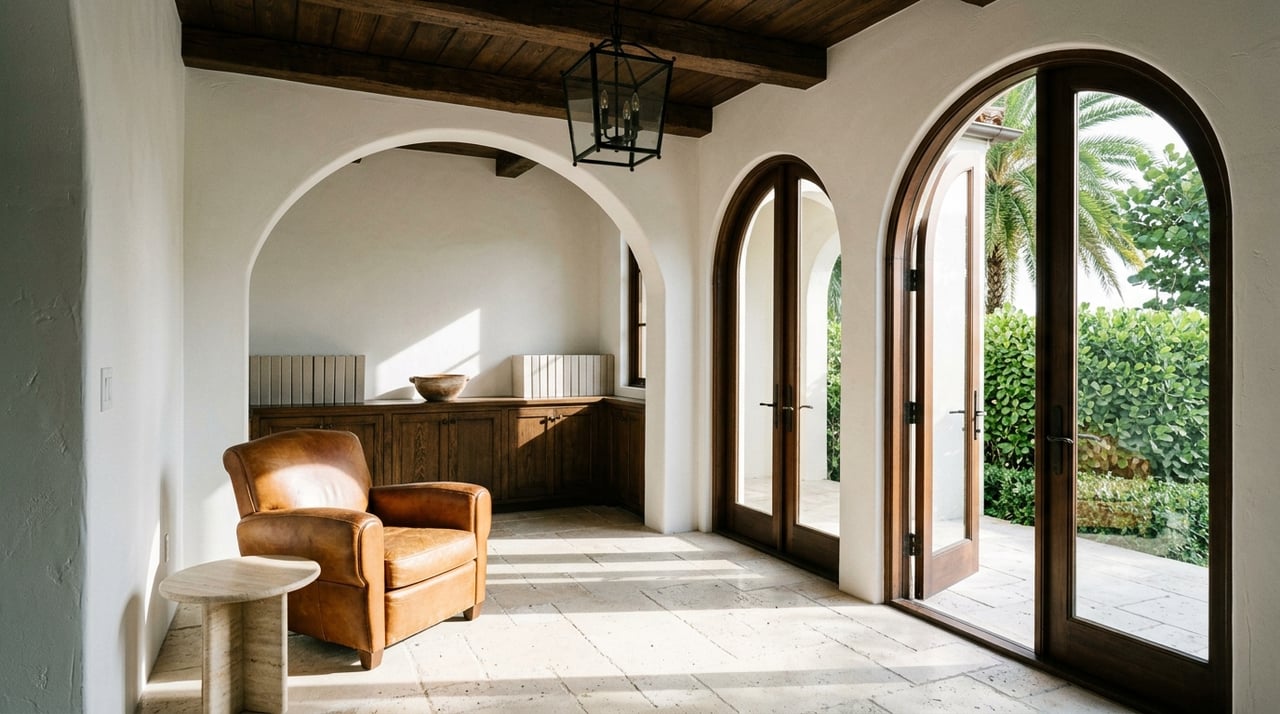
If you own a private island or an ocean-to-lake estate in Palm Beach, you are not selling a typical luxury home. You are bringing a rare coastal asset to market in one of the most closely watched ultra-luxury enclaves in the country. That means your pricing, buyer strategy, confidentiality plan, and due diligence all need to operate at a different level. Let’s dive in.
Why trophy assets need a different strategy
In Palm Beach, the top of the market is deep, but it is also highly selective. According to MIAMI Realtors, Palm Beach County recorded 141 sales of $10 million or more in 2025, and the town of Palm Beach reached a luxury threshold of $39.1 million and an uber-luxury threshold of $55.1 million. Those numbers make it clear that a private island or ocean-to-lake estate belongs in the trophy category, not just the luxury category.
The broader market supports that distinction. Realtor.com reported that million-dollar properties made up 89% of all home sales in Palm Beach County in December 2025, with cash dominating the high end. At the $10 million-plus level, cash was nearly universal, which is one reason these transactions often behave more like capital-market deals than traditional home sales.
Tarpon Island shows what rarity looks like
One of the clearest recent examples is Tarpon Island. Florida Trend described it as Palm Beach’s only private island, a 2.3-acre man-made parcel with a nearly 30,000-square-foot residence, tennis court, two swimming pools, and boat docks. It sold for $150 million in May 2024 and was described as Florida’s highest-dollar residential sale of 2024.
That sale matters because it highlights how thin inventory can be at this level. Florida Trend also noted that many island sales happen off-market and that only 25 islands were listed for sale statewide at the time of its report. When supply is that limited, each asset must be positioned around its own scarcity rather than compared too loosely to surrounding listings.
Valuation goes beyond square footage
For a singular estate, standard comparable sales only tell part of the story. A private island or an ocean-to-lake property carries value in features that are difficult, and in some cases impossible, to reproduce under current conditions. In Palm Beach, where zoning and preservation constraints can limit expansion or redevelopment, the site itself often deserves as much attention as the residence.
A strong pricing strategy usually looks at a bundle of rare attributes, including:
- Island identity or dual-water orientation
- Privacy and separation from neighboring properties
- Dockage and boating access
- Ease of mainland access
- Existing infrastructure and site improvements
- Replaceability under current regulatory conditions
- Hurricane-resistant or eco-conscious features
Florida Trend reported that private-island buyers are increasingly attentive to infrastructure, access, and resilient features. That is why pricing a trophy asset is rarely about applying a formula. It is about understanding what the market will pay for a truly limited combination of land, water, access, and future usability.
The buyer pool is global and referral-driven
If you are selling at the top of the Palm Beach market, your likely buyer is not browsing casually. The audience is global, mobile, and often introduced through trusted relationships rather than broad public search. That has major implications for how your property should be marketed.
According to Florida Realtors, Miami-Fort Lauderdale-West Palm Beach accounts for 45% of Florida’s international buyers. The same report found that 60% of international buyers paid all cash, 90% visited Florida at least once before purchasing, and 65% were referrals or former clients.
That data points to a simple truth: the most qualified buyer for a Palm Beach trophy estate often comes through a curated network. Family offices, wealth advisors, private buyer representatives, and long-standing local relationships can matter more than mass-market visibility.
Cash changes the conversation
At this level, financing is often less important than certainty and fit. Redfin reported that West Palm Beach had the highest share of all-cash home purchases among major U.S. metros in December 2025 at 47.2%. Realtor.com added that 74% of Palm Beach County million-dollar sales and 87% of $10 million-plus sales were all-cash.
For sellers, that usually means the conversation centers on confidence, privacy, speed, and asset quality. A qualified buyer wants clarity on the property, the site, the risk profile, and the path to closing. Your marketing and advisory approach should be built to answer those questions before they slow momentum.
Privacy should be planned, not improvised
For private islands and ocean-to-lake estates, discretion is often part of the value proposition. That does not always mean staying completely off the public market. More often, it means controlling exposure so the right people see the opportunity at the right time.
Florida Trend noted that many island sales occur off-market, while Florida Realtors’ international profile shows how referral-heavy the buyer base can be. Together, those facts support a two-stage approach for many sellers:
- Private outreach first to vetted principals, advisors, and trusted intermediaries.
- Selective public amplification later if broader exposure supports the seller’s pricing or positioning goals.
This is especially important because once a trophy listing becomes public, media attention can accelerate quickly. Tarpon Island is a useful example of how fast a marquee Palm Beach deal can enter the national conversation once details surface. For that reason, your launch plan should also include a press strategy, not just a listing strategy.
Marketing should match the asset
A one-of-one property deserves more than standard listing photography and a generic description. In Palm Beach’s trophy market, presentation has to communicate scarcity, lifestyle, and confidence without creating unnecessary noise.
That is where a more tailored campaign can make a difference. Depending on the seller’s goals, that may include cinematic property film, short-form digital video, a dedicated property microsite, highly controlled print and digital exposure, and carefully timed public relations. The goal is not maximum attention for its own sake. The goal is to create the right signal for a narrow, qualified audience.
Due diligence starts before launch
Before a private island or ocean-to-lake estate goes to market, the most important questions often involve the site, not just the structure. Sophisticated buyers will want to understand how the property functions today and what may or may not be possible in the future.
Front-end diligence often includes:
- Flood-zone review and insurance considerations
- Survey accuracy and legal access
- Seawall and dock condition
- Shoreline permitting history
- Feasibility of future improvements
- Environmental and submerged-lands considerations
According to FEMA, flood risk depends on factors such as elevation, storm surge, coastal erosion, and distance to the water source. FEMA also notes that high-risk A and V zones are special flood hazard areas and that federally backed mortgages require flood insurance in those zones. For sellers, that means flood maps and insurance context should be reviewed before pricing and marketing are finalized.
Shoreline work also carries its own regulatory framework. The Florida Department of Environmental Protection explains that dredging and filling in wetlands and other surface waters are regulated through the Environmental Resource Permit process, and coastal work seaward of the Coastal Construction Control Line is separately governed. Even when a dock project may qualify for self-certification, sellers still benefit from verifying existing rights, conditions, and permit history early.
What sellers should do before listing
If you are preparing to sell a private island or ocean-to-lake estate in Palm Beach, a strong pre-listing process can protect both value and timing. Consider these priorities before launch:
- Assemble property records, surveys, and permit documentation
- Review flood maps, insurance history, and shoreline conditions
- Identify which features truly drive scarcity and price
- Decide whether private marketing, public marketing, or a phased launch best fits your goals
- Prepare a media strategy in case the listing or sale attracts attention
- Build a buyer-vetting process that protects privacy without limiting opportunity
Each of these steps helps position the estate as a rare asset rather than simply a large home. In a market where buyers are often cash-ready and globally connected, preparation can directly influence negotiating strength.
Why Palm Beach remains a standout market
Palm Beach continues to command global attention because it combines scarcity, prestige, and unusual pricing power. Knight Frank’s Wealth Report, cited by Altrata, showed Palm Beach prices up 117% over five years, while Altrata projects that the global ultra-wealthy population will grow by more than one-third by 2030. Altrata also notes that ultra-wealthy individuals often own multiple luxury residences, reinforcing Palm Beach’s position within a broader international second-home and legacy-asset market.
That context matters if you are selling today. Your buyer may be comparing Palm Beach not only with other Florida waterfront markets, but with elite coastal assets around the world. The right strategy should reflect that level of competition and opportunity.
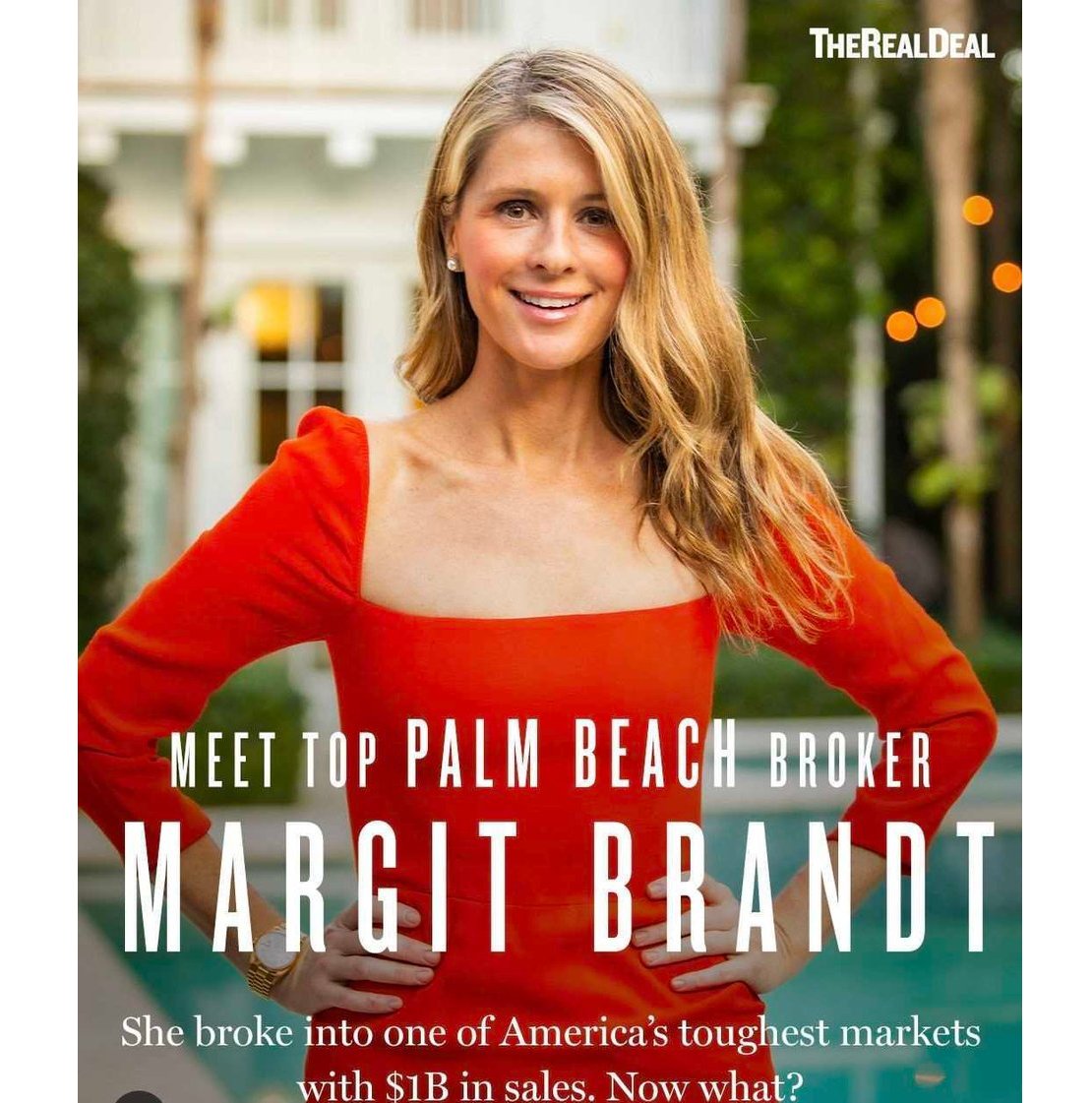
Selling a private island or an ocean-to-lake Palm Beach estate calls for more than traditional luxury brokerage. It requires precise valuation, controlled visibility, global reach, and early diligence around the issues that sophisticated buyers care about most. If you are considering a sale and want a tailored, discreet strategy for a singular coastal asset, Margit Brandt can help you evaluate the market and plan the right path forward.
FAQs
What makes selling a private island in Palm Beach different from selling another luxury home?
- A private island is a scarce trophy asset, so pricing, buyer targeting, confidentiality, and due diligence often matter more than standard comparable sales alone.
What should sellers of ocean-to-lake estates in Palm Beach review before listing?
- Sellers should review surveys, flood maps, insurance considerations, seawall and dock condition, permit history, and any limits on future site improvements.
How are buyers for Palm Beach trophy properties usually found?
- Many qualified buyers come through referrals, private networks, wealth advisors, and targeted outreach rather than broad mass-market exposure.
Why is cash so important when selling a Palm Beach ultra-luxury estate?
- Cash is common at the top of the market, which can shift the focus toward certainty, speed, privacy, and confidence in the asset.
Should a Palm Beach private island or waterfront estate be marketed off-market?
- Not always, but many sellers benefit from a phased strategy that starts with private outreach and uses broader public exposure only if it supports their goals.